Bathing and Body Odor: Route Frequency, Technique, Products, and Troubleshooting
Bathing And Body Odor

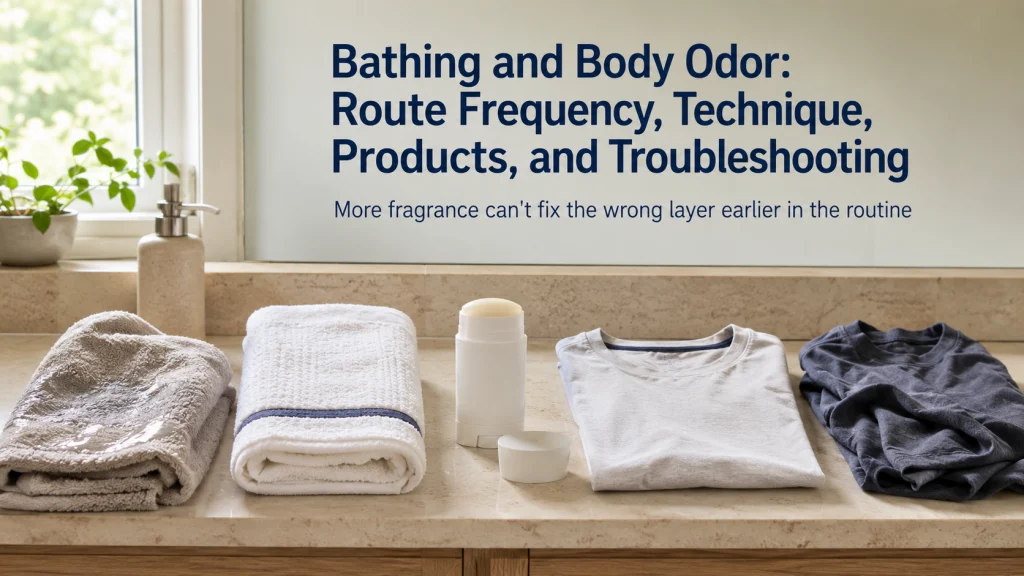
Bathing and body odor questions become easier when you identify where the odor returns before changing the entire routine. Start with five layers: skin after heat or activity, washing method, drying, underarm product function and application, and clean versus previously worn fabric. Then route the problem to the smallest matching change, such as adjusting shower
How to Build Hygiene Habits: Use Cues, Minimum Versions, and a Restart Rule

How To Build Hygiene Habits

Hygiene habits become easier to repeat when the task has a stable cue, the supplies are ready at the point of use, and a minimum version is available for difficult days. Start with one task instead of rebuilding an entire routine at once. Use one reminder only when the cue is not yet reliable, track

Personal Hygiene Products: Choose One Useful Function Before Adding Another Item

Personal Hygiene Products

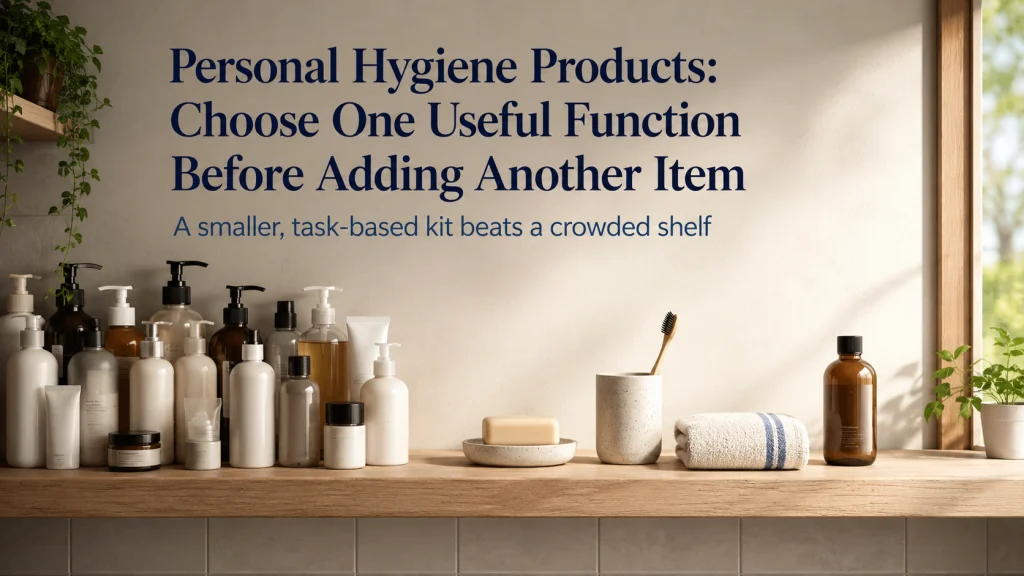
Personal hygiene products are easier to choose when each item has one defined job. Start with the care tasks already selected, match one suitable product or tool to each necessary function, and keep optional grooming, body-specific items, and symptom-driven products outside the basic list. Separate reusable tools from consumables, place active items where they are

Personal Hygiene Routine for Adults: Build Daily Anchors, Event Triggers, and a Minimum Version

Personal Hygiene Routine For Adults

A workable personal hygiene routine for adults does not force every task into one morning or evening block. Start with the tasks already selected, assign each one to the timing type that actually fits, place active supplies where the task happens, and keep backups separate. Build minimum, standard, and expanded versions so the routine can

Personal Hygiene Checklist: Separate Daily, Event-Triggered, Periodic, and Optional Tasks

Personal Hygiene Checklist

A useful personal hygiene checklist does not place every task into one daily column. It separates regular baseline care from event-triggered actions, periodic maintenance, optional grooming, and concerns that need support beyond a checklist. Build the list by domain, define what completion means, place supplies where the task happens, and record barriers that make the

Personal Hygiene Basics: Build a Practical Routine Around the Tasks That Actually Matter

Personal Hygiene Basics

Personal hygiene basics become easier to manage when you separate four decisions: which tasks belong, when they happen, what function each product serves, and what helps the routine repeat. Start with the layer that is actually broken instead of rebuilding the entire system or buying another item. A minimum workable routine should cover essential tasks,