Meal Prep With Leftovers: Identify What Exists Before Assigning a Safe Second Use
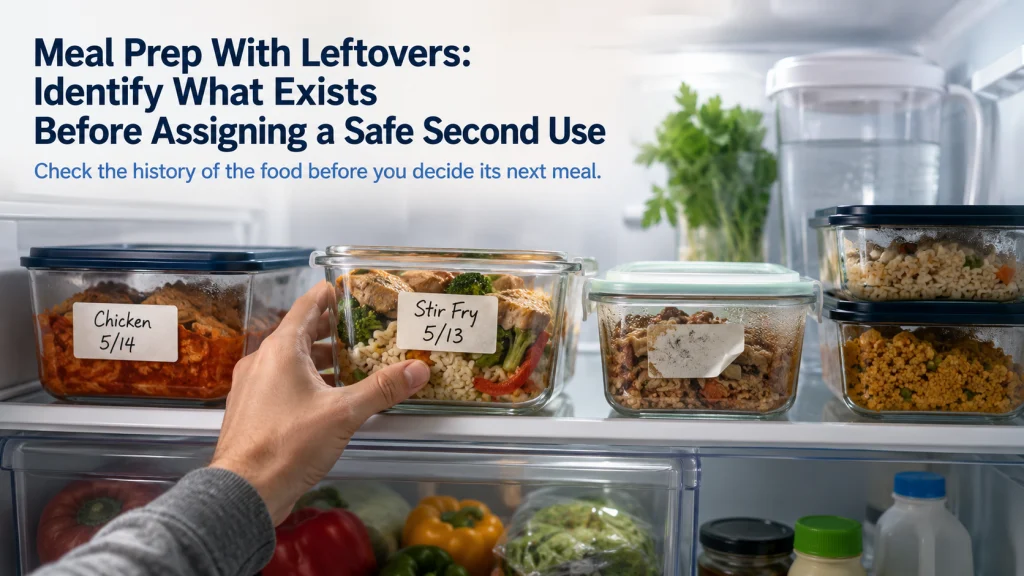
Meal Prep With Leftovers

Meal prep with leftovers begins by identifying what the food is and how it has been handled, not by searching for a creative recipe. Verify the original cooking date, room-temperature exposure, cooling route, refrigerator or freezer history, and whether the food was already reheated. When that history is uncertain or an official limit has been
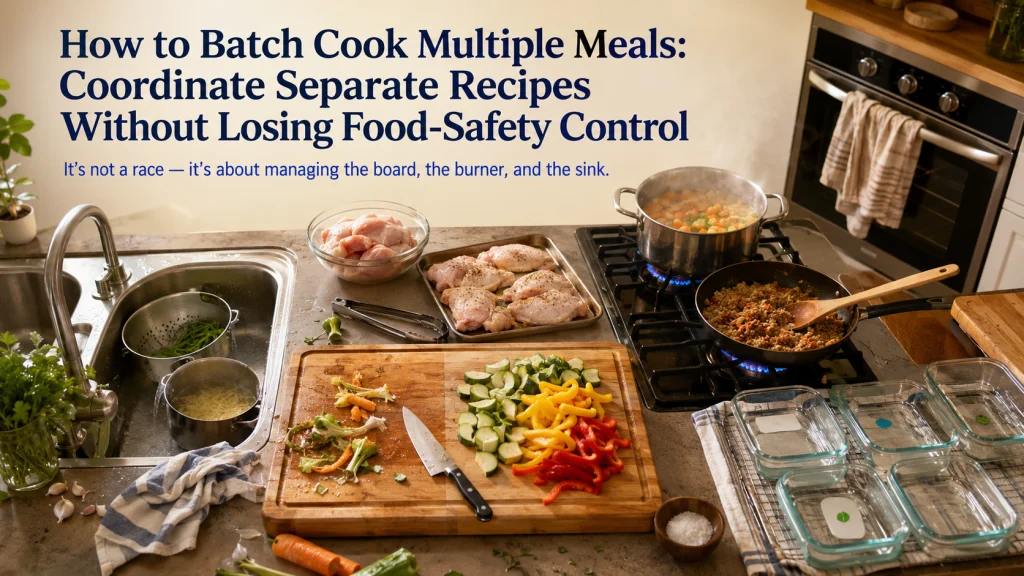
How to Batch Cook Multiple Meals: Coordinate Separate Recipes Without Losing Food-Safety Control

How To Batch Cook Multiple Meals

Cooking several meals in one session becomes difficult when simple recipes compete for the same board, burner, oven space, sink, counter, and cooling shelf. The solution is not a minute-by-minute race. Choose compatible recipes, map shared resources, separate raw animal-food work from produce and ready-to-eat tasks, preserve each recipe’s own cooking instructions, and stop before

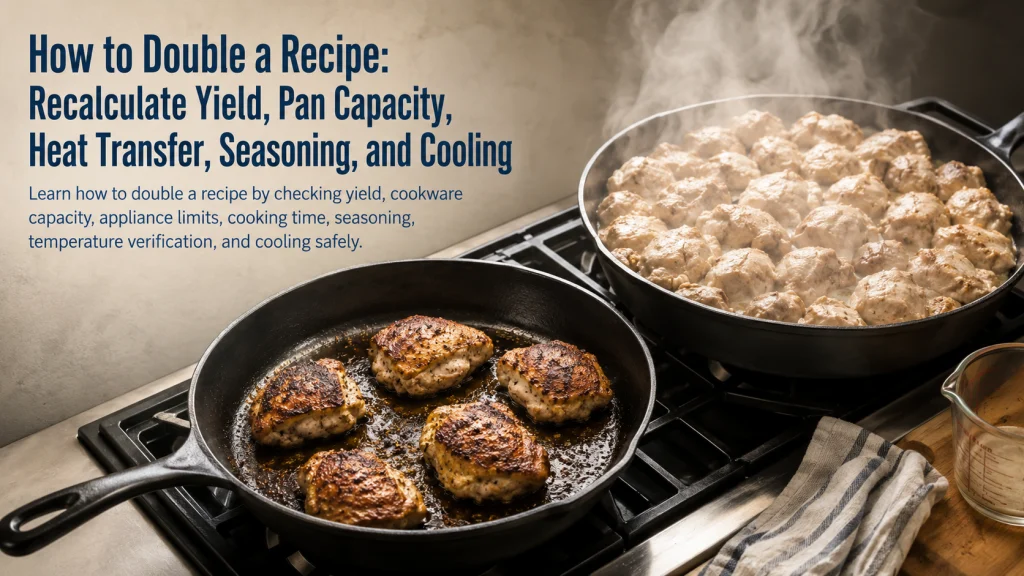
How to Double a Recipe: Recalculate Yield, Pan Capacity, Heat Transfer, Seasoning, and Cooling

How To Double A Recipe

Doubling a recipe is not just ingredient arithmetic. A larger yield changes pan crowding, headspace, stirring room, appliance airflow, cooking time, browning, seasoning, temperature verification, and the amount of hot food that must be cooled afterward. Confirm that the recipe is appropriate to scale, decide where the extra food will go, and compare one larger

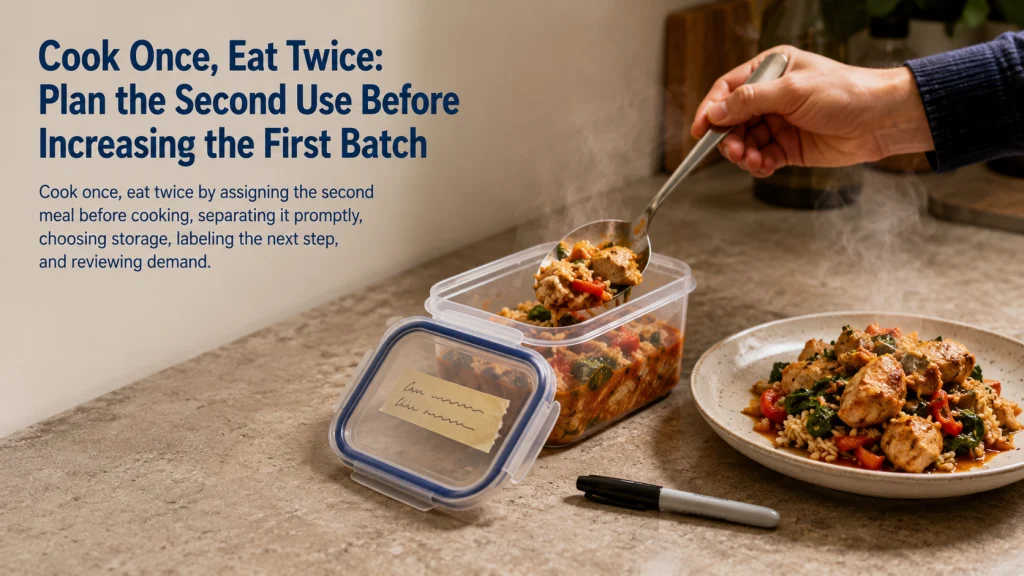
Cook Once, Eat Twice: Plan the Second Use Before Increasing the First Batch

Cook Once Eat Twice

Cook once, eat twice works only when the second use is chosen before the first batch gets larger. Name the later meal, decide whether it will repeat or transform the original, separate that portion promptly, and give it a refrigerator or freezer destination. A vague “extra for later” often becomes an oversized serving bowl, an

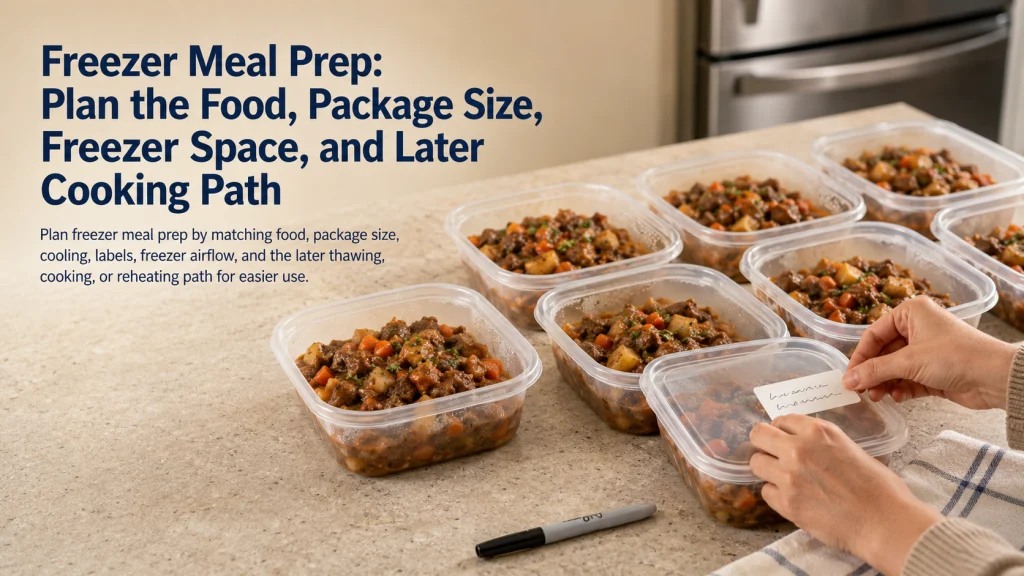
Freezer Meal Prep: Plan the Food, Package Size, Freezer Space, and Later Cooking Path

Freezer Meal Prep

Freezer meal prep should make a future meal easier, not leave behind a hard, anonymous package that nobody wants to open. Plan the food, package shape, amount, cooling route, freezer space, and later cooking step as one workflow. A freezer-safe container does not prove that the meal itself will freeze, thaw, or reheat well. Decide

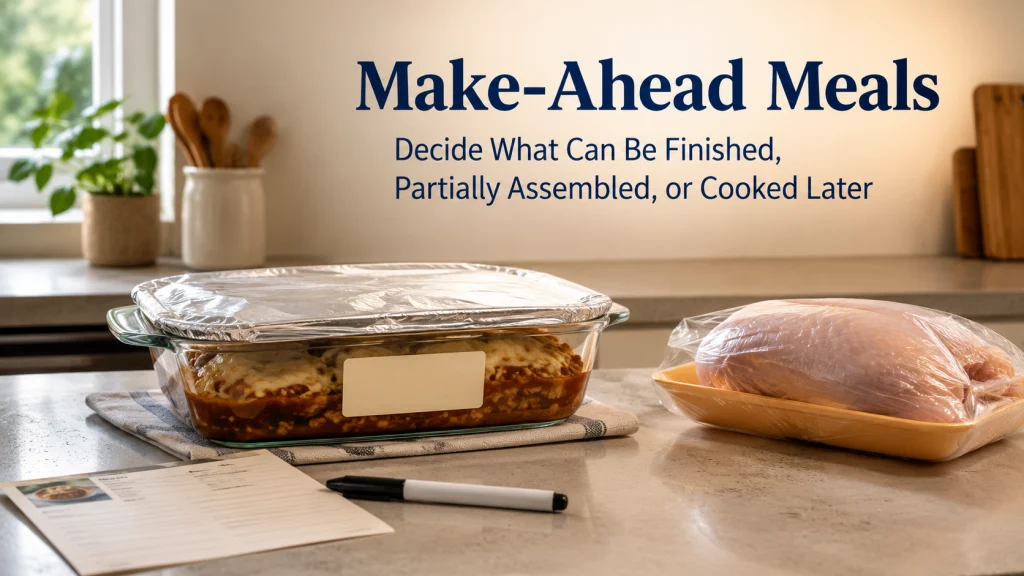
Make-Ahead Meals: Decide What Can Be Finished, Partially Assembled, or Cooked Later

Make Ahead Meals

Make-ahead meals work only when the recipe has a clear stopping point and the later cooking or serving step remains intact. A meal may be fully cooked, assembled but uncooked, partly prepared as separate components, or left at the measured-ingredient stage. Choose the stage before starting, keep raw animal foods separate from ready-to-eat ingredients, and

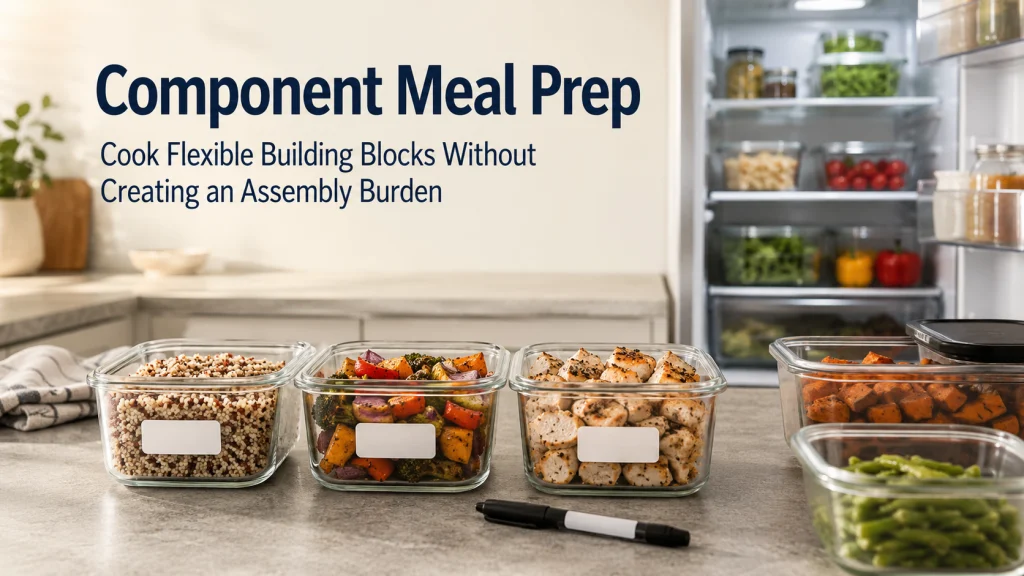
Component Meal Prep: Cook Flexible Building Blocks Without Creating an Assembly Burden

Component Meal Prep

Component meal prep works when a small set of cooked building blocks has clear later uses and does not create more weekday assembly than the household can manage. Start from two or three planned meals, choose only the components those meals share, and count reheating, seasoning, dishes, and final decisions as part of the workload.

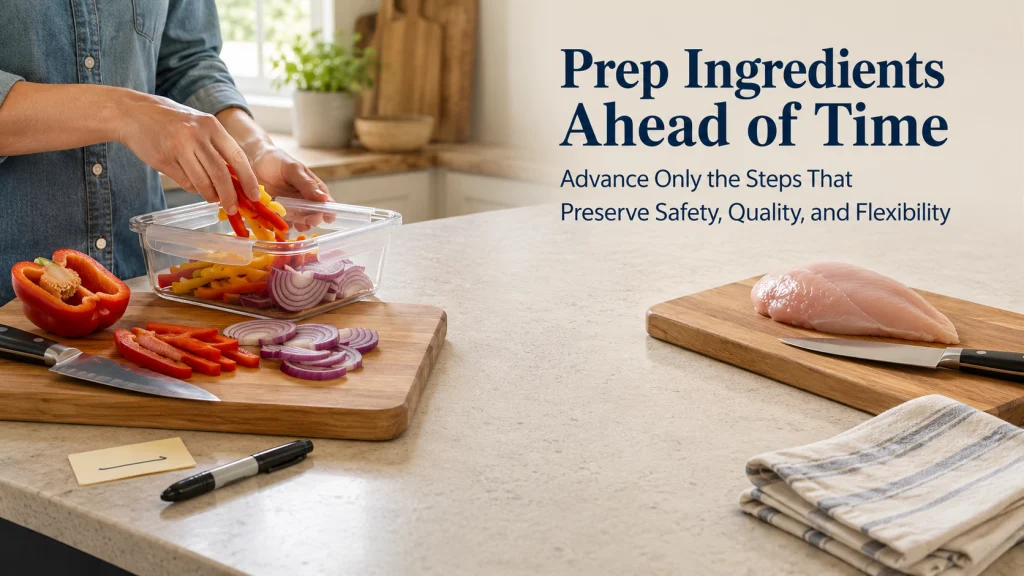
Prep Ingredients Ahead of Time: Advance Only the Steps That Preserve Safety, Quality, and Flexibility

Prep Ingredients Ahead Of Time

Prep ingredients ahead of time only when the advance step makes a named later meal easier without creating a safety, cleanup, storage, or quality problem. Start from the recipe you plan to cook, then choose a limited task such as washing sturdy produce, cutting an ingredient that holds well, measuring a dry item, or portioning

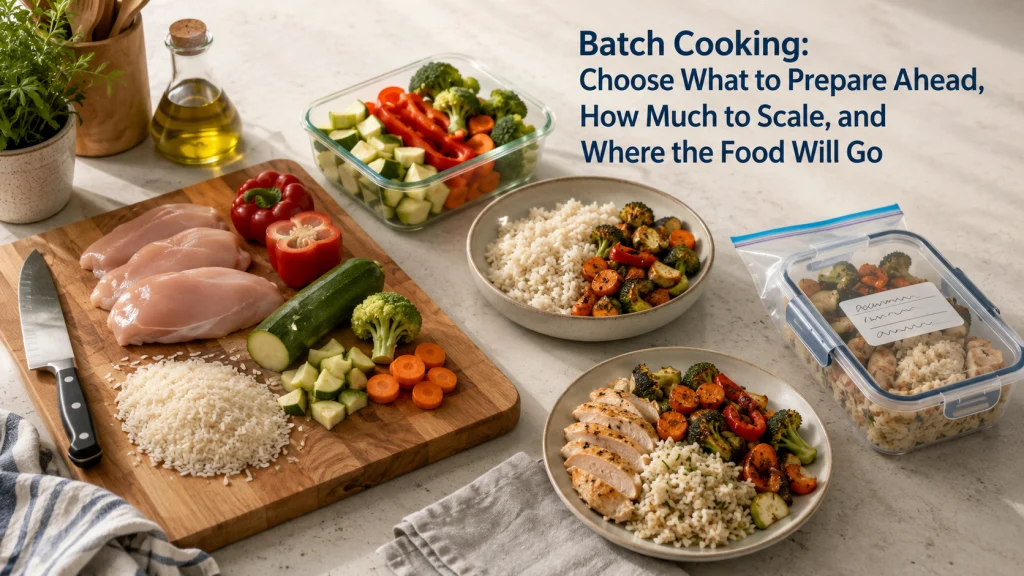
Batch Cooking: Choose What to Prepare Ahead, How Much to Scale, and Where the Food Will Go

Batch Cooking

Batch cooking works best when every extra portion has a clear job before the stove is turned on. The same ingredients can become prepped ingredients, flexible components, complete refrigerated meals, freezer portions, or an accidental surplus, and each outcome needs a different plan. Choose the method first, then confirm the intended uses, recipe yield, cooking

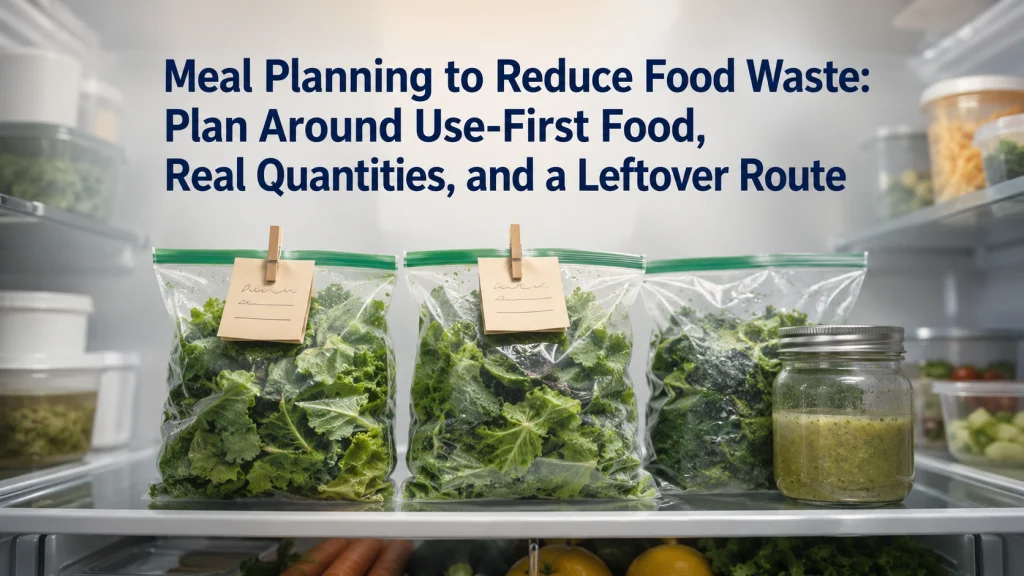
Meal Planning to Reduce Food Waste: Plan Around Use-First Food, Real Quantities, and a Leftover Route

Meal Planning To Reduce Food Waste

Meal planning can reduce avoidable food waste when every perishable item has a next action. Begin with food already in the refrigerator, freezer, and pantry, then plan the shortest-window items into early meals. Count the meals likely to happen at home before choosing purchase quantities. Treat sale and bulk offers as conditional, assign each planned

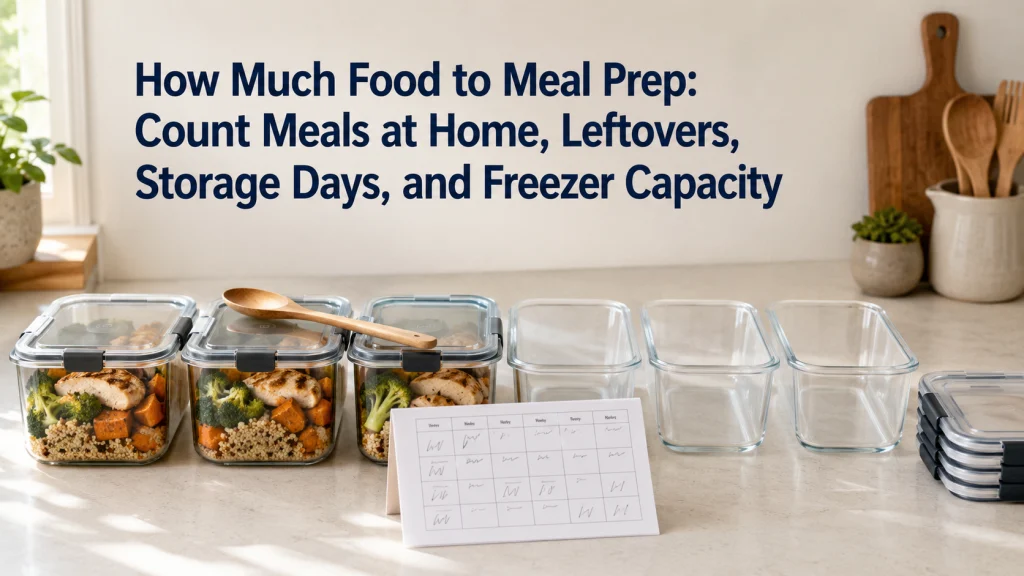
How Much Food to Meal Prep: Count Meals at Home, Leftovers, Storage Days, and Freezer Capacity

How Much Food To Meal Prep

How much food to meal prep depends on how many eating occasions actually need advance work, not on the number of days in the week. Count meals and snacks expected at home, subtract meals away, takeout, current leftovers, frozen backups, and flexible slots, then decide whether you are preparing complete meals, components, or partial assemblies.

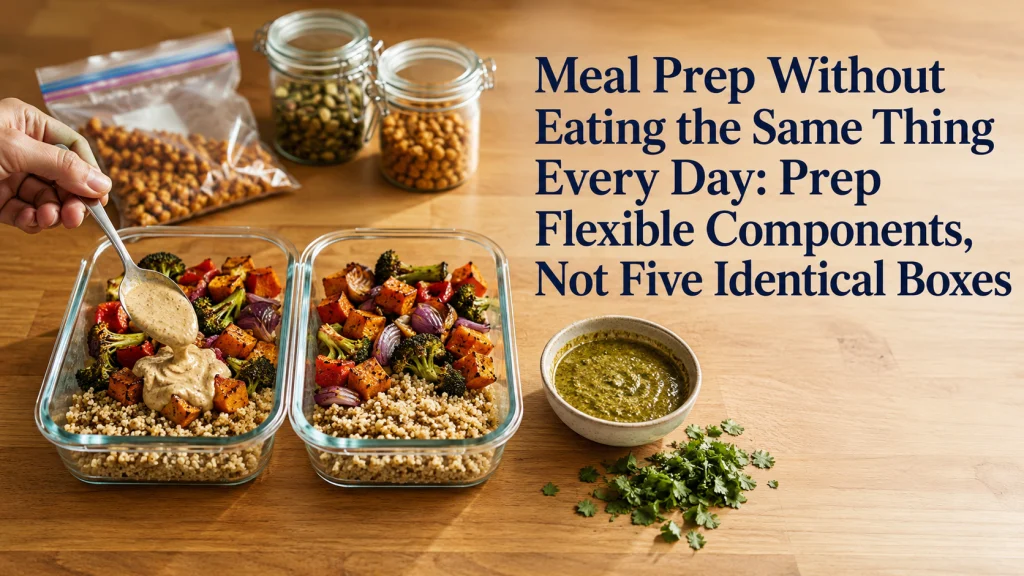
Meal Prep Without Eating the Same Thing Every Day: Prep Flexible Components, Not Five Identical Boxes

Meal Prep Without Eating The Same Thing Every Day

Meal prep without eating the same thing every day depends on how much of each meal is committed in advance. Complete meals offer the least weekday work but the least flexibility. Components, partial assembly, and two-path systems leave more decisions for later while adding containers, labels, refrigerator space, and assembly time. Choose one variation point,