Why Do I Still Smell After a Shower? Check Skin, Drying, Product, Clothing, and Odor Changes
Body Odor After Shower

Body odor after a shower does not automatically mean the shower failed or that the body was not cleaned well enough. The source may be underarm skin, another external area, a towel, clothing, footwear, a product mismatch, or sweat returning after the routine. Troubleshoot one layer at a time instead of scrubbing harder or stacking
Whole-Body Deodorant: Check the Product Claim, Body Area, and Label Before Applying It Everywhere

Whole Body Deodorant

Whole body deodorant is a broad marketing category, not permission to apply one product to every part of the body. Start by confirming whether the product is a deodorant, antiperspirant, or combination, then read the exact allowed areas, warnings, fragrance information, and stop-use directions. Use it only on external skin specifically permitted by the label,

How to Apply Antiperspirant: Read the Drug Facts and Follow the Exact Label

How To Apply Antiperspirant

A reliable antiperspirant routine starts with the exact product label rather than a one-size-fits-all online rule. Confirm that the package is an antiperspirant, locate its Drug Facts, and follow the labeled area, timing, amount, skin condition, and warnings. Dry, intact underarm skin may fit many products, but bedtime use, post-shower timing, and reapplication instructions can

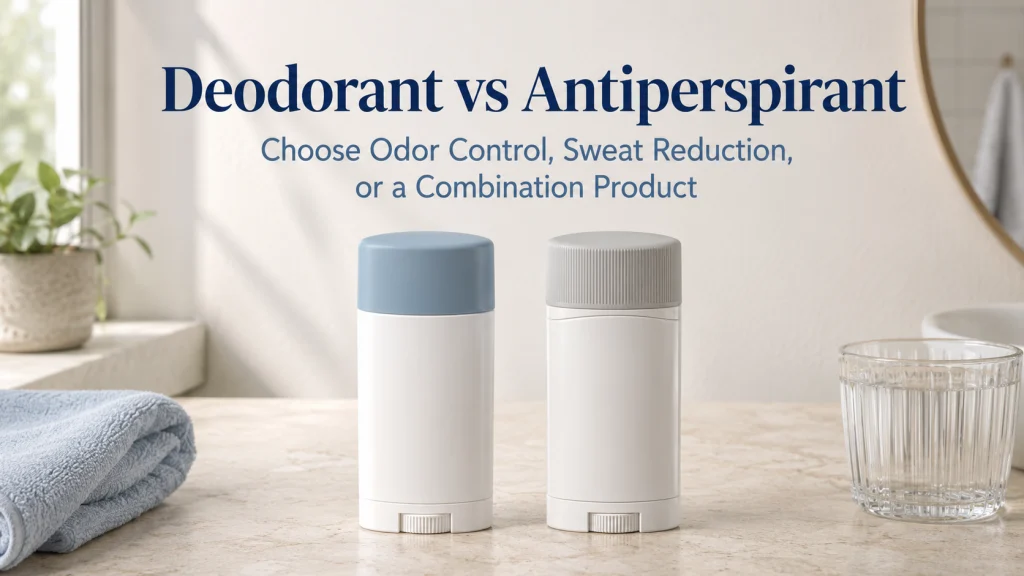
Deodorant vs Antiperspirant: Choose Odor Control, Sweat Reduction, or a Combination Product

Deodorant Vs Antiperspirant

Deodorant and antiperspirant may come in similar packages, but they solve different problems. Deodorant is mainly for odor control, while antiperspirant is intended to reduce underarm perspiration; combination products do both. Choose by naming the problem first, then confirm the category, active claim, intended body area, directions, and warnings on the label. A product comparison

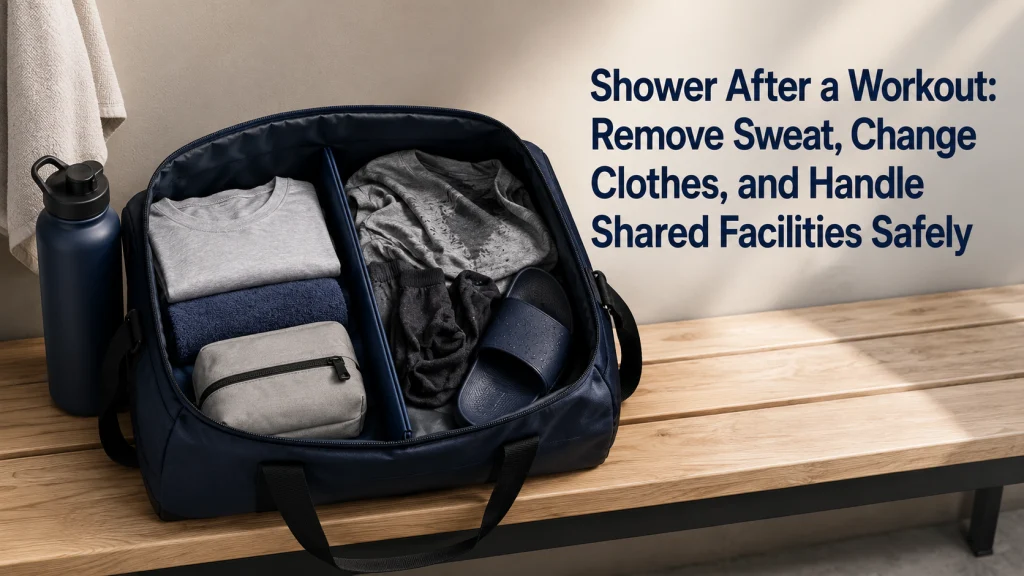
Shower After a Workout: Remove Sweat, Change Clothes, and Handle Shared Facilities Safely

Shower After Workout

A shower after a workout is mainly about removing sweat, changing out of damp clothing, and managing shared-space exposure without turning every session into an aggressive cleaning routine. After an ordinary workout, change clothes and shower when practical, using a gentle wash rather than scrubbing harder or adding unnecessary products. A delayed shower calls for

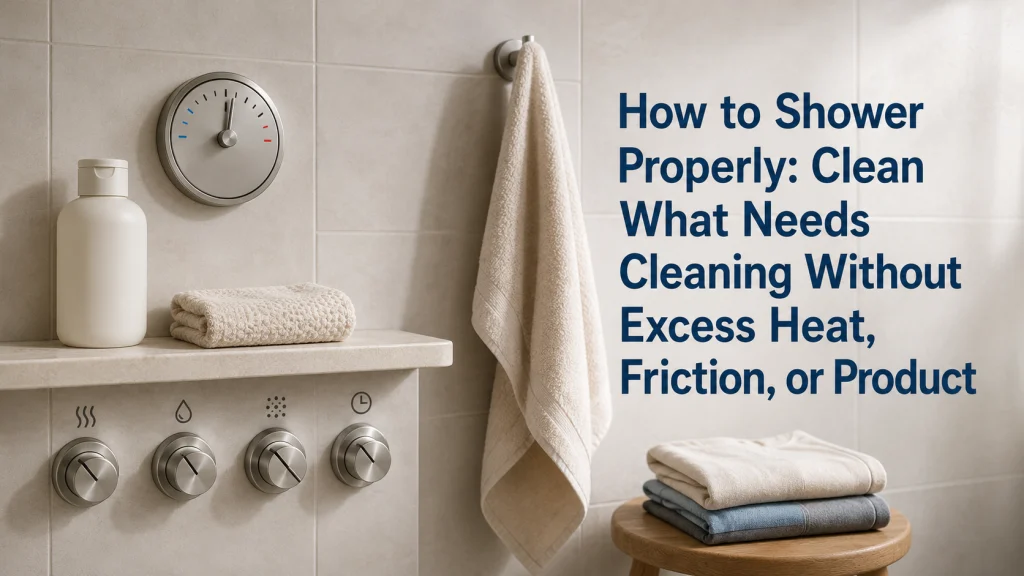
How to Shower Properly: Clean What Needs Cleaning Without Excess Heat, Friction, or Product

How To Shower Properly

A practical shower removes ordinary sweat, visible soil, and residue without turning heat, cleanser, friction, or time to maximum. Prepare clean clothes and a towel first, use comfortable water, wash the external body with only the cleanser and pressure the task requires, rinse fully, and dry carefully. Hair, facial, intimate, wound, medical, and assisted-bathing needs

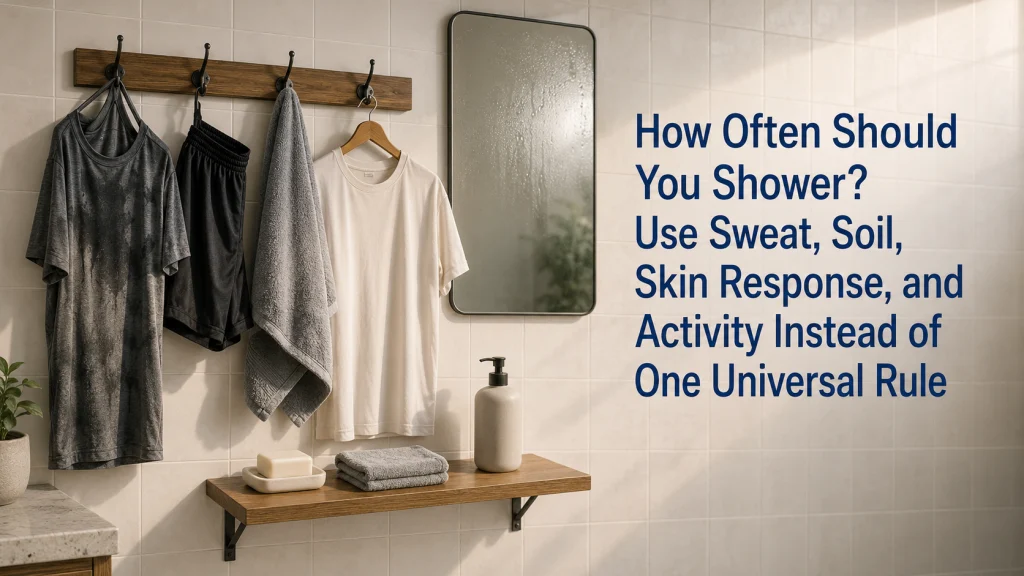
How Often Should You Shower? Use Sweat, Soil, Skin Response, and Activity Instead of One Universal Rule

How Often Should You Shower

Shower frequency is better decided by activity, sweat, visible soil, odor, climate, skin response, access, and professional instructions than by one calendar number. Set an ordinary baseline, then add event-triggered bathing after situations such as heavy sweating, close-contact activity, swimming, or soil-heavy work. A full shower is not always necessary when a targeted wash safely

Bathing and Body Odor: Route Frequency, Technique, Products, and Troubleshooting

Bathing And Body Odor

Bathing and body odor questions become easier when you identify where the odor returns before changing the entire routine. Start with five layers: skin after heat or activity, washing method, drying, underarm product function and application, and clean versus previously worn fabric. Then route the problem to the smallest matching change, such as adjusting shower

How to Build Hygiene Habits: Use Cues, Minimum Versions, and a Restart Rule

How To Build Hygiene Habits

Hygiene habits become easier to repeat when the task has a stable cue, the supplies are ready at the point of use, and a minimum version is available for difficult days. Start with one task instead of rebuilding an entire routine at once. Use one reminder only when the cue is not yet reliable, track

Personal Hygiene Products: Choose One Useful Function Before Adding Another Item

Personal Hygiene Products

Personal hygiene products are easier to choose when each item has one defined job. Start with the care tasks already selected, match one suitable product or tool to each necessary function, and keep optional grooming, body-specific items, and symptom-driven products outside the basic list. Separate reusable tools from consumables, place active items where they are

Personal Hygiene Routine for Adults: Build Daily Anchors, Event Triggers, and a Minimum Version

Personal Hygiene Routine For Adults

A workable personal hygiene routine for adults does not force every task into one morning or evening block. Start with the tasks already selected, assign each one to the timing type that actually fits, place active supplies where the task happens, and keep backups separate. Build minimum, standard, and expanded versions so the routine can

Personal Hygiene Checklist: Separate Daily, Event-Triggered, Periodic, and Optional Tasks

Personal Hygiene Checklist

A useful personal hygiene checklist does not place every task into one daily column. It separates regular baseline care from event-triggered actions, periodic maintenance, optional grooming, and concerns that need support beyond a checklist. Build the list by domain, define what completion means, place supplies where the task happens, and record barriers that make the