How to Choose Weight for Strength Training: Match the Load to the Exercise, Rep Target, and Technique
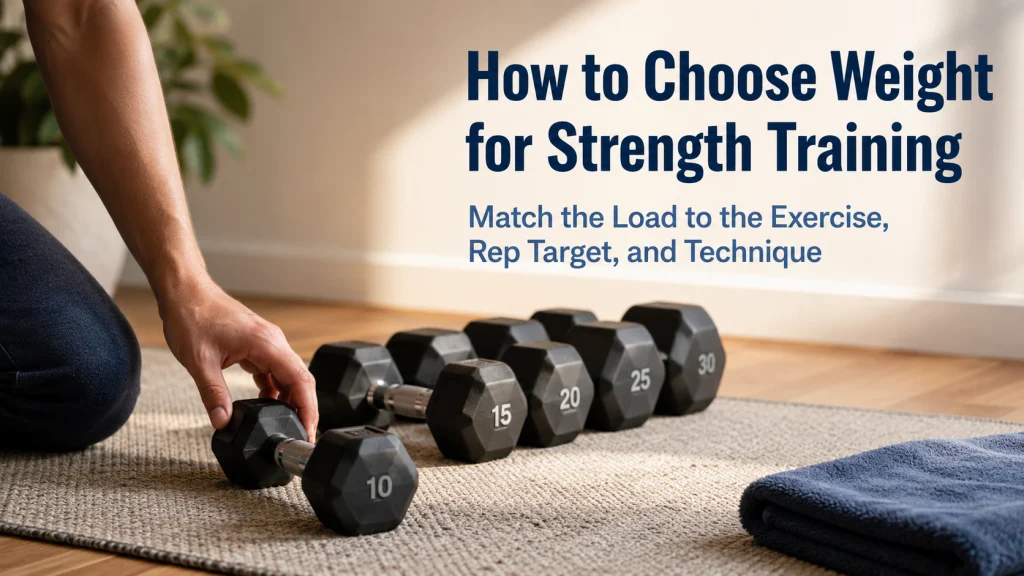
How To Choose Weight For Strength Training

How to choose weight for strength training starts with the exercise and planned repetition range, not with a universal dumbbell chart. Use a conservative trial, watch whether the movement stays controlled, and stop with some clean repetitions still available instead of forcing a maximal effort. Different movements often need different resistance, even in the same
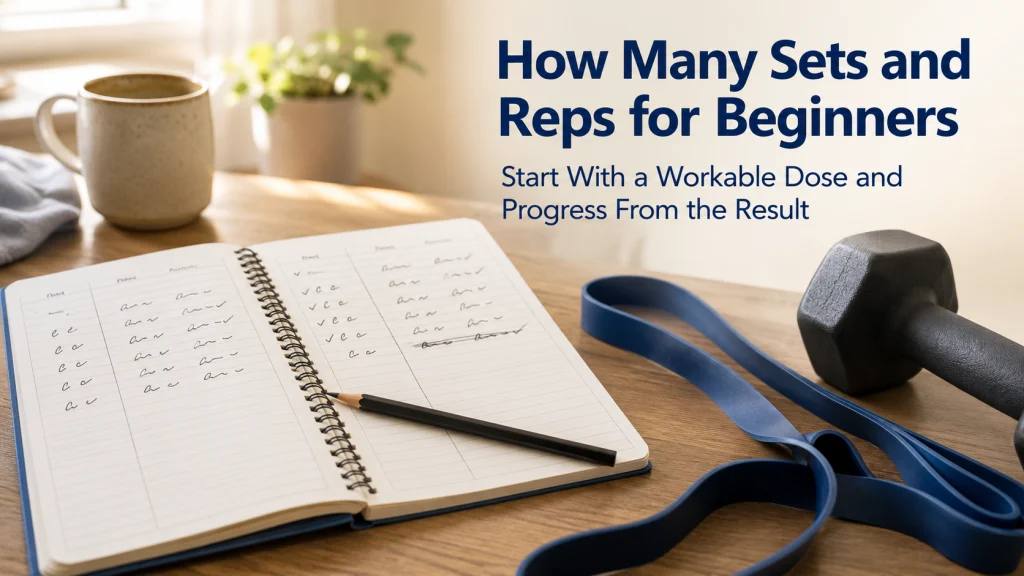
How Many Sets and Reps for Beginners: Start With a Workable Dose and Progress From the Result

How Many Sets And Reps For Beginners

Beginners do not need one perfect repetition range or the largest number of sets they can tolerate. A useful starting dose matches the exercise variation, keeps technique stable, and leaves enough recovery for the next session. Start conservatively, record what happened, and change only one variable after the result becomes clear. Ten repetitions can be

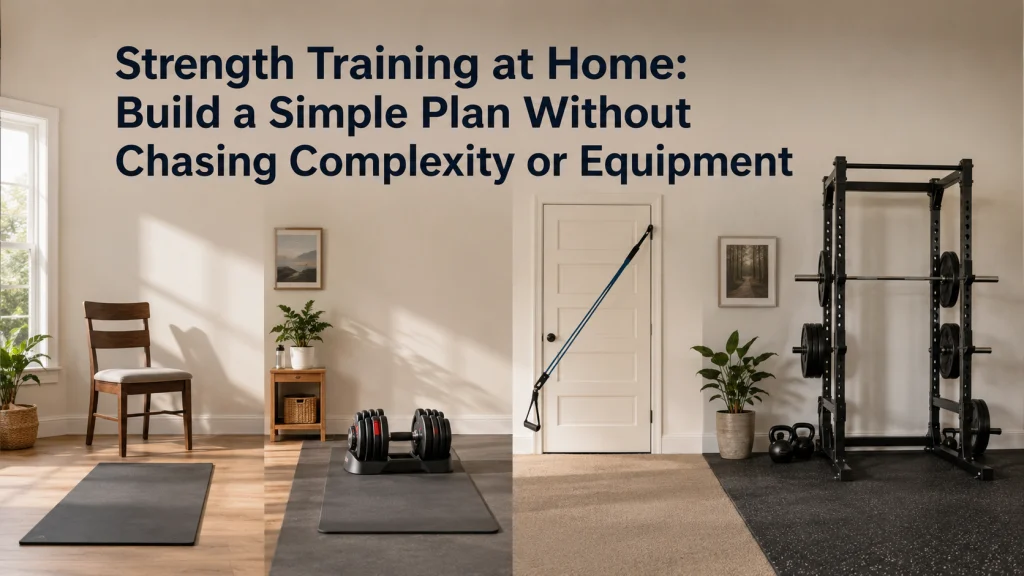
Strength Training at Home: Build a Simple Plan Without Chasing Complexity or Equipment

Strength Training At Home

Strength training at home can begin in an empty corner, beside a sturdy chair, or in a room full of equipment. A useful plan covers the major muscle groups, repeats the work consistently, and increases the challenge without losing control. Choose a resistance method, starting difficulty, weekly structure, progression rule, rest approach, effort limit, and

Exercise Intensity for Beginners: Use the Talk Test and Effort Scale Before Chasing Heart-Rate Zones

Exercise Intensity For Beginners

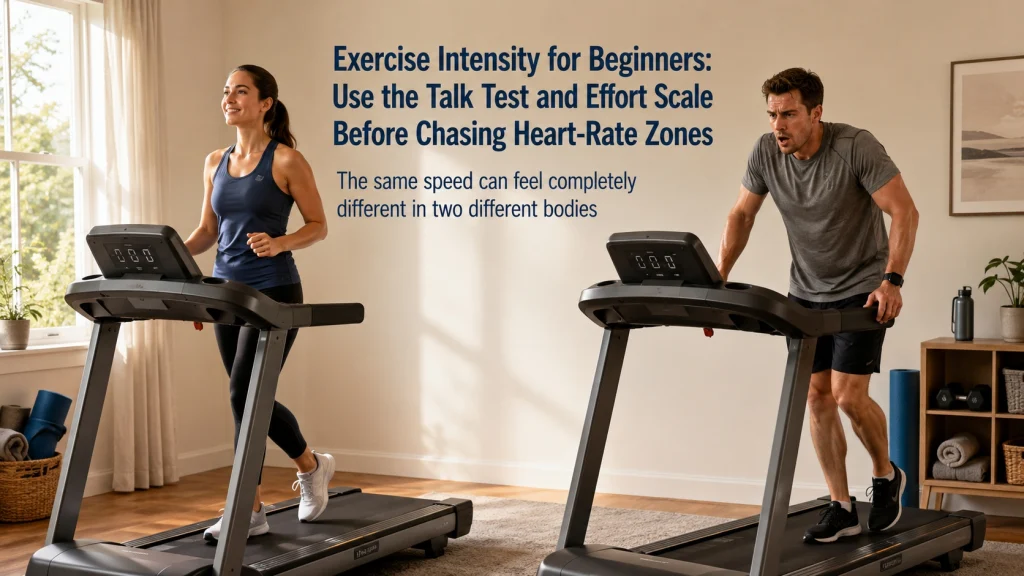
Exercise intensity for beginners is best judged by how the activity feels in your body, not by a treadmill speed, calorie estimate, video level, or smartwatch zone alone. Use the talk test and a simple 0-to-10 effort scale to separate light, moderate, and vigorous work. Start below your hardest repeatable effort, then change intensity separately

How Long Should a Workout Be: Count the Main Work, Setup, Warm-Up, and Recovery Separately

How Long Should A Workout Be

How long a workout should be depends on the activity, effort, experience, available time, setup cost, and recovery across the week. A thirty-minute calendar block may contain twenty-two minutes of movement in one home and only ten minutes in another. Map the full block into preparation, the transition into movement, focused activity, the transition out,

How Often Should Beginners Work Out: Choose Frequency From Activity Type, Recovery, and Starting Capacity

How Often Should Beginners Work Out

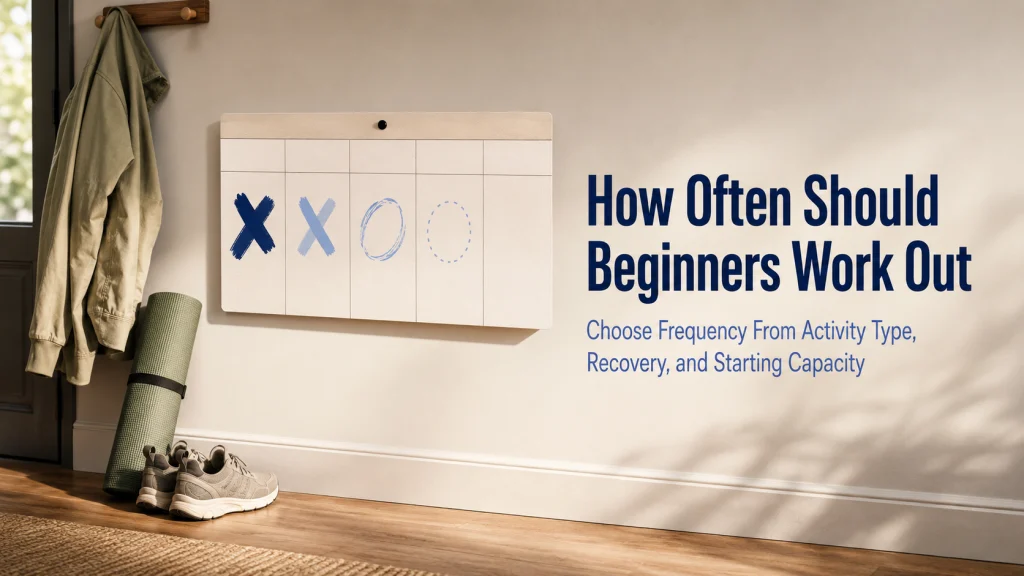
How often beginners should work out depends on the activity, current capacity, recovery, and the amount of work inside each session. Four days of walking, four full-body strength sessions, and four mixed mobility and cardio days do not create the same demand. Start with a frequency that fits the calendar and can be repeated without

Beginner Workout Schedule: Build the Week Around Availability, Activity Types, and Recovery

Beginner Workout Schedule

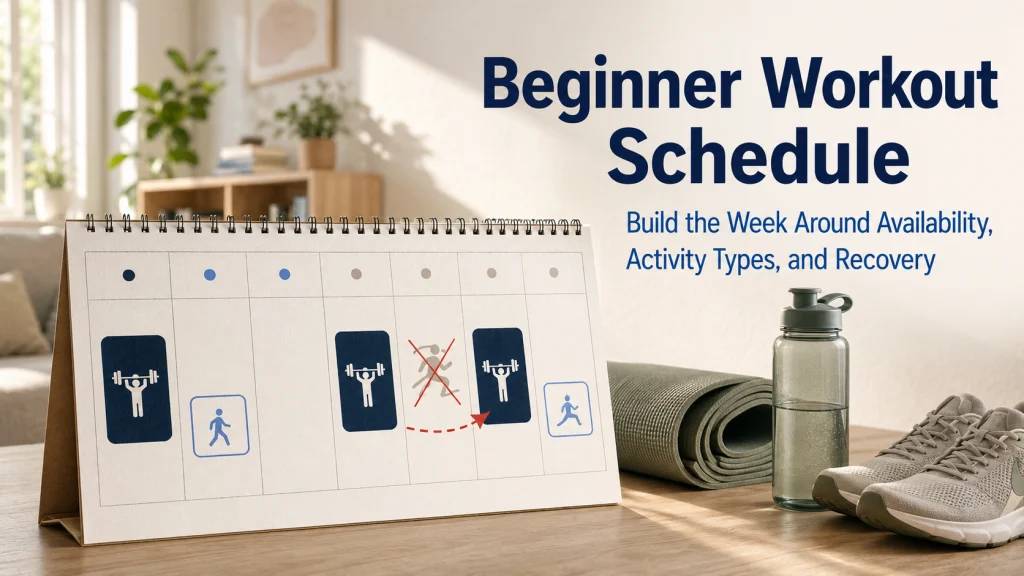
A beginner workout schedule works best when it is built around real availability, not an idealized seven-day streak. Start with a few dependable anchor sessions, add optional movement blocks, define a smaller version for difficult days, and leave enough space between repeated strength sessions. The schedule should also include a simple rule for missed workouts

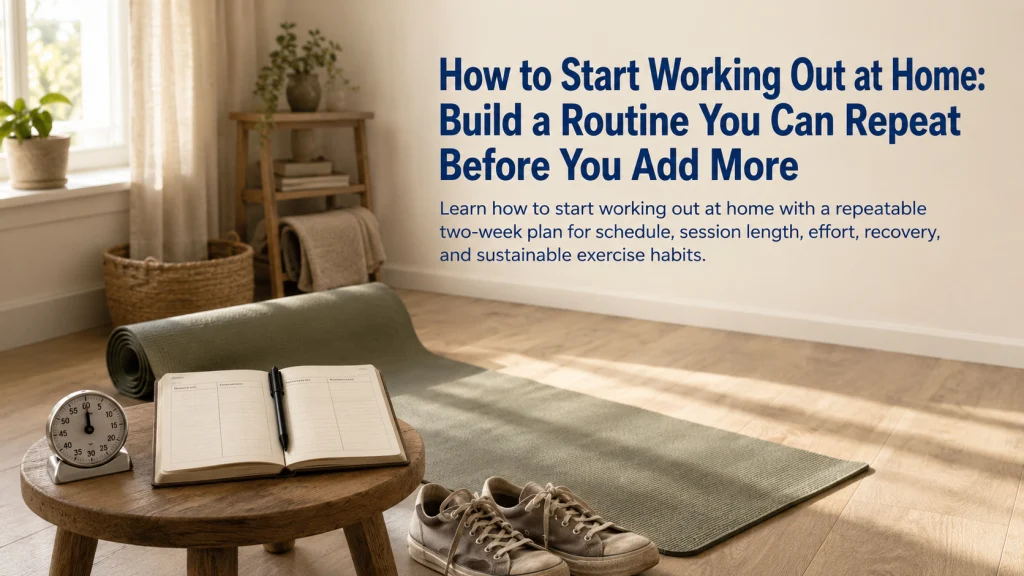
How to Start Working Out at Home: Build a Routine You Can Repeat Before You Add More

How To Start Working Out At Home

Learning how to start working out at home begins with a routine small enough to repeat, not with the hardest session you can complete once. Decide when you can move, what activity you will use, how little still counts on a difficult day, and what effort allows you to finish with control. Use the first