Cool Down After Workout: Lower the Demand Gradually and Record How the Session Ended
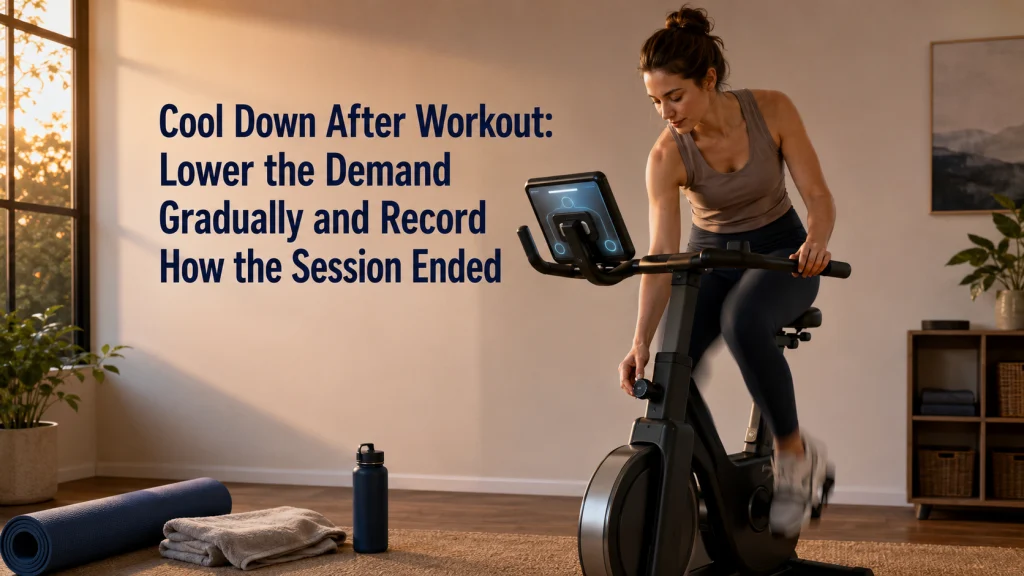
Cool Down After Workout

A cool-down helps you move from workout effort toward ordinary movement instead of treating the final timer as an instant stop signal. Lower speed, resistance, range, or pace when that transition is practical, then restore the room and record how the session ended. Stretching is optional and serves a different purpose from the immediate reduction
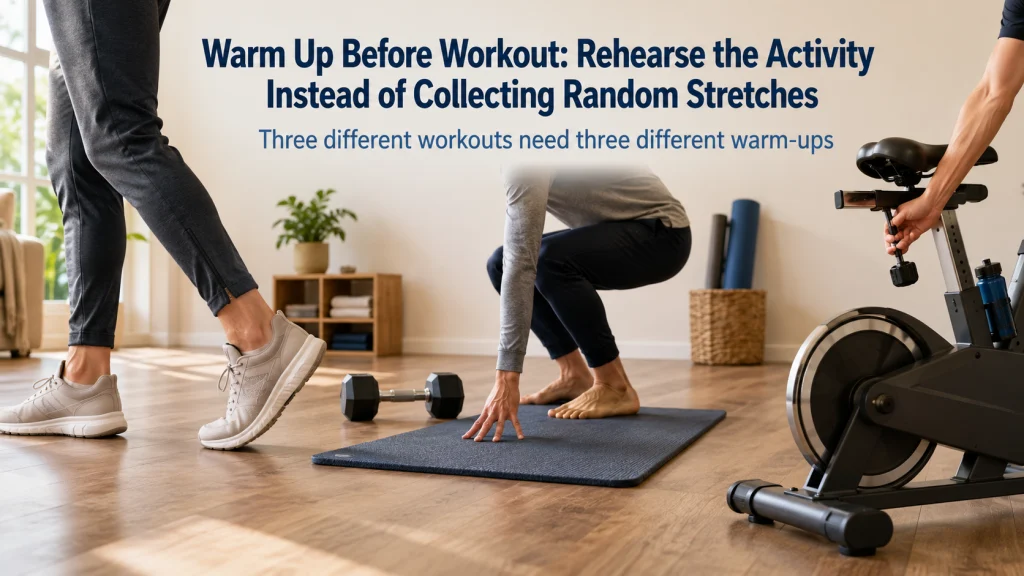

Warm Up Before Workout: Rehearse the Activity Instead of Collecting Random Stretches

Warm Up Before Workout

A warm-up prepares you for the activity that follows rather than collecting unrelated stretches. Start by checking the space and equipment, then raise effort gradually, move the joints the session will use through comfortable ranges, and rehearse the main movement in an easier form. The sequence may be brief for easy work and longer for

Exercise Intensity for Beginners: Use the Talk Test and Effort Scale Before Chasing Heart-Rate Zones

Exercise Intensity For Beginners

Exercise intensity for beginners is best judged by how the activity feels in your body, not by a treadmill speed, calorie estimate, video level, or smartwatch zone alone. Use the talk test and a simple 0-to-10 effort scale to separate light, moderate, and vigorous work. Start below your hardest repeatable effort, then change intensity separately

How Long Should a Workout Be: Count the Main Work, Setup, Warm-Up, and Recovery Separately

How Long Should A Workout Be

How long a workout should be depends on the activity, effort, experience, available time, setup cost, and recovery across the week. A thirty-minute calendar block may contain twenty-two minutes of movement in one home and only ten minutes in another. Map the full block into preparation, the transition into movement, focused activity, the transition out,

How Often Should Beginners Work Out: Choose Frequency From Activity Type, Recovery, and Starting Capacity

How Often Should Beginners Work Out

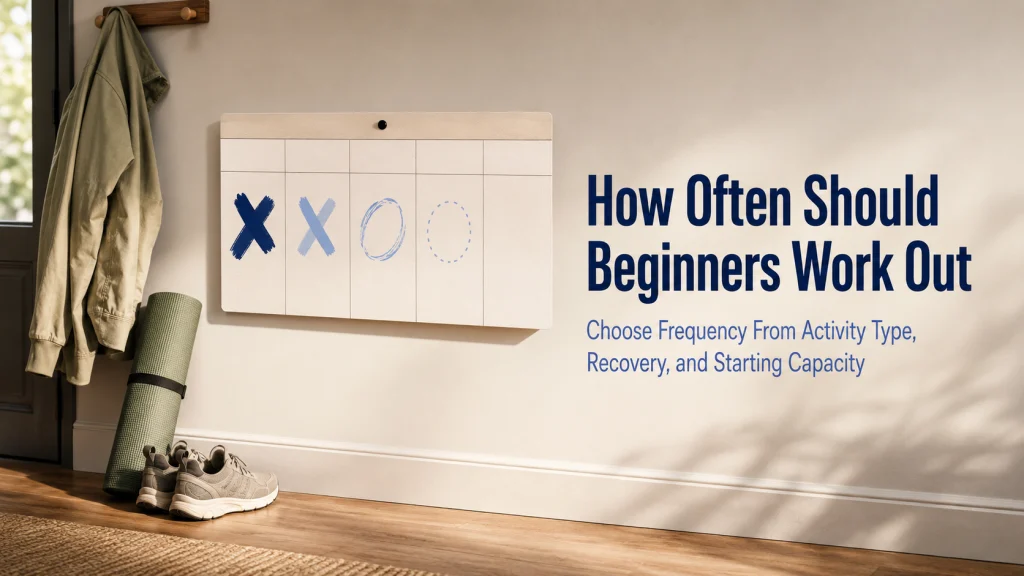
How often beginners should work out depends on the activity, current capacity, recovery, and the amount of work inside each session. Four days of walking, four full-body strength sessions, and four mixed mobility and cardio days do not create the same demand. Start with a frequency that fits the calendar and can be repeated without

Beginner Workout Schedule: Build the Week Around Availability, Activity Types, and Recovery

Beginner Workout Schedule

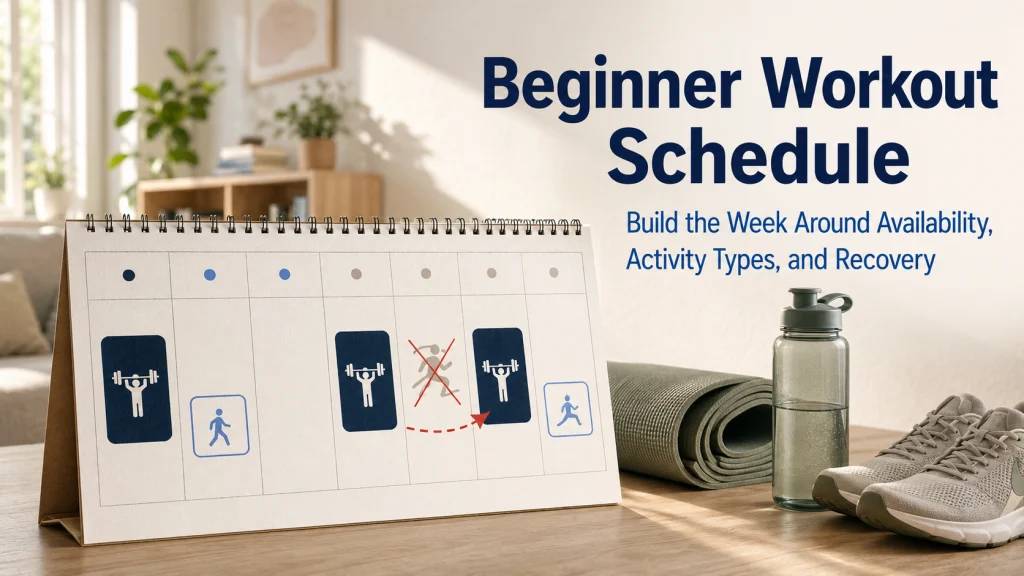
A beginner workout schedule works best when it is built around real availability, not an idealized seven-day streak. Start with a few dependable anchor sessions, add optional movement blocks, define a smaller version for difficult days, and leave enough space between repeated strength sessions. The schedule should also include a simple rule for missed workouts

How to Start Working Out at Home: Build a Routine You Can Repeat Before You Add More

How To Start Working Out At Home

Learning how to start working out at home begins with a routine small enough to repeat, not with the hardest session you can complete once. Decide when you can move, what activity you will use, how little still counts on a difficult day, and what effort allows you to finish with control. Use the first