How to Use an Air Purifier: Place It for Free Airflow, Run a Usable Speed, and Maintain the Filter
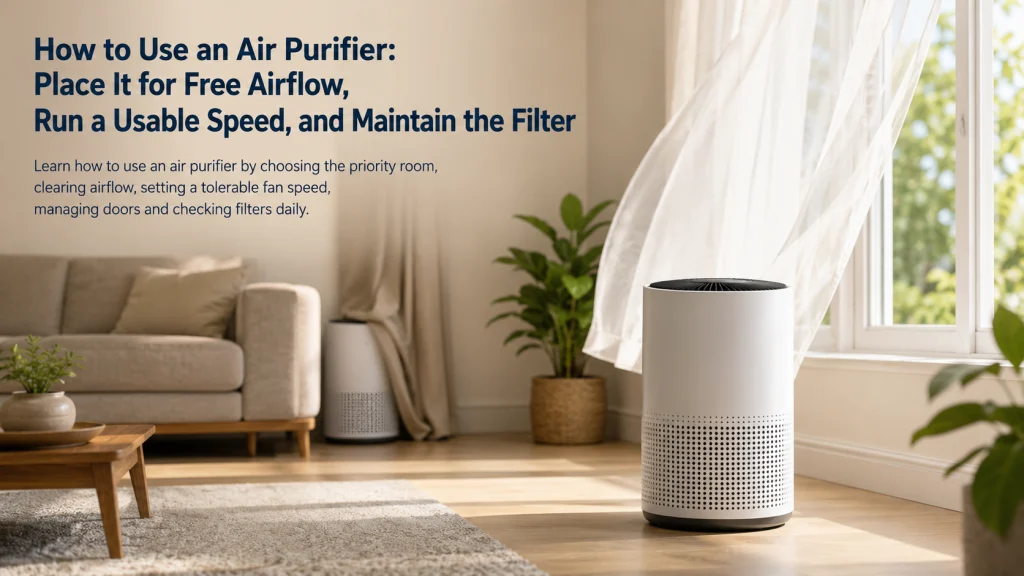
How To Use An Air Purifier

Using an air purifier well is mostly a matter of putting it in the right room, keeping its air path open, and choosing a fan setting the household can tolerate consistently. The same unit can perform very differently when it is hidden behind furniture, placed inside a closet, left beside an open doorway, or positioned
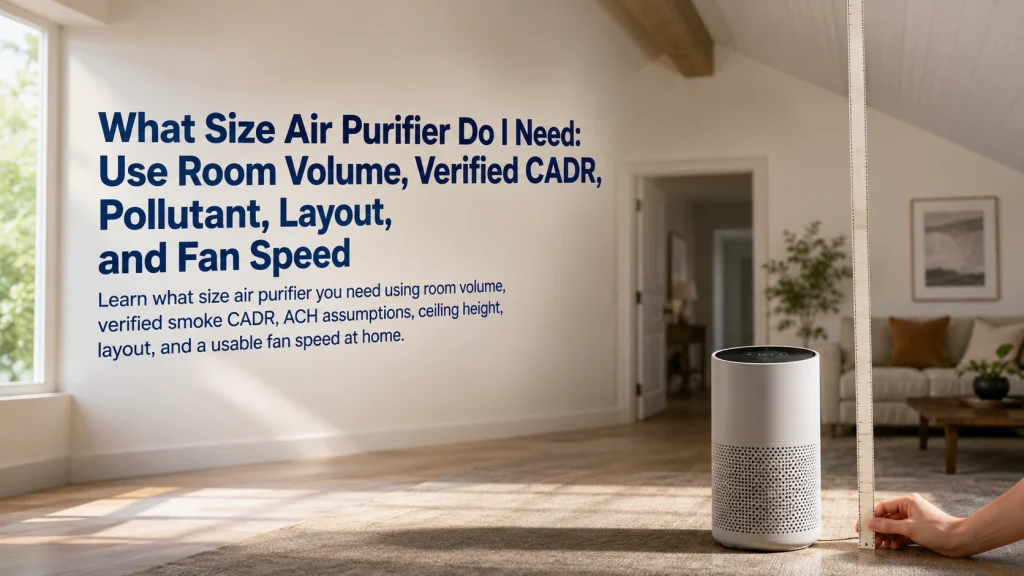
What Size Air Purifier Do I Need: Use Room Volume, Verified CADR, Pollutant, Layout, and Fan Speed

What Size Air Purifier Do I Need

Size a portable particle air cleaner from the room volume, a verified smoke CADR, the comparison assumption, the likely fan speed, and the way air actually moves through the space. Square-foot coverage alone can hide different air-change assumptions, ceiling heights, and operating speeds. A high ceiling or open doorway increases the air volume the unit

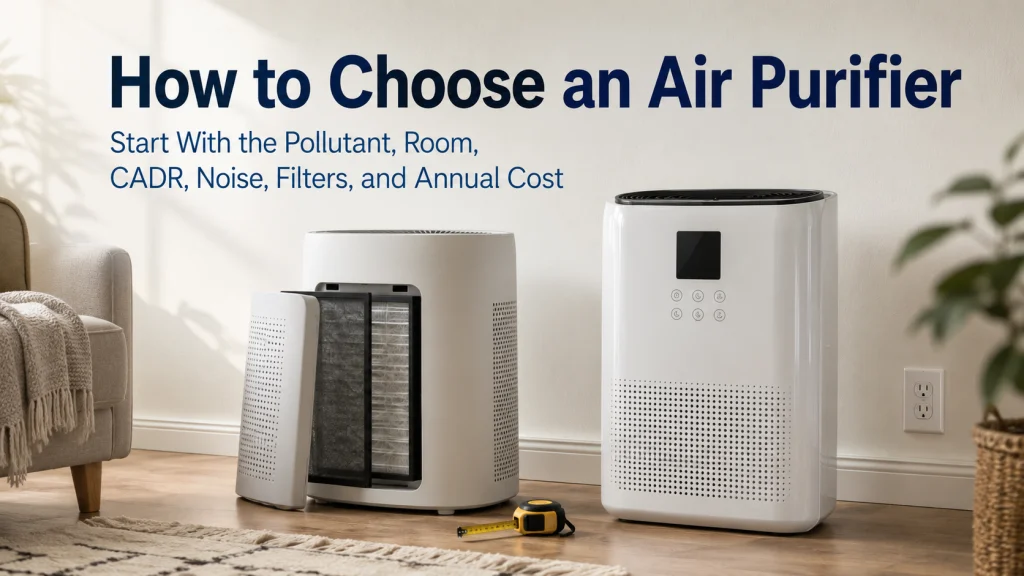
How to Choose an Air Purifier: Start With the Pollutant, Room, CADR, Noise, Filters, and Annual Cost

How To Choose An Air Purifier

A useful portable air purifier starts with a defined job: a named pollutant in a real room, handled at a fan speed the household can live with. Large coverage numbers and long feature lists can distract from the questions that determine everyday use, including filter supply, noise, placement, controls, recurring cost, and safety. Compare particle

Do Air Purifiers Work: Define the Pollutant, Clean-Air Delivery, Room, Run Time, and Outcome

Do Air Purifiers Work

Air purifiers can reduce selected airborne pollutants when the filter mechanism, clean-air delivery, room, placement, run time, and maintenance all fit the job. The useful question is not whether one machine can make a home broadly “clean,” but whether it can reduce a named pollutant in the space where people actually spend time. Less airborne

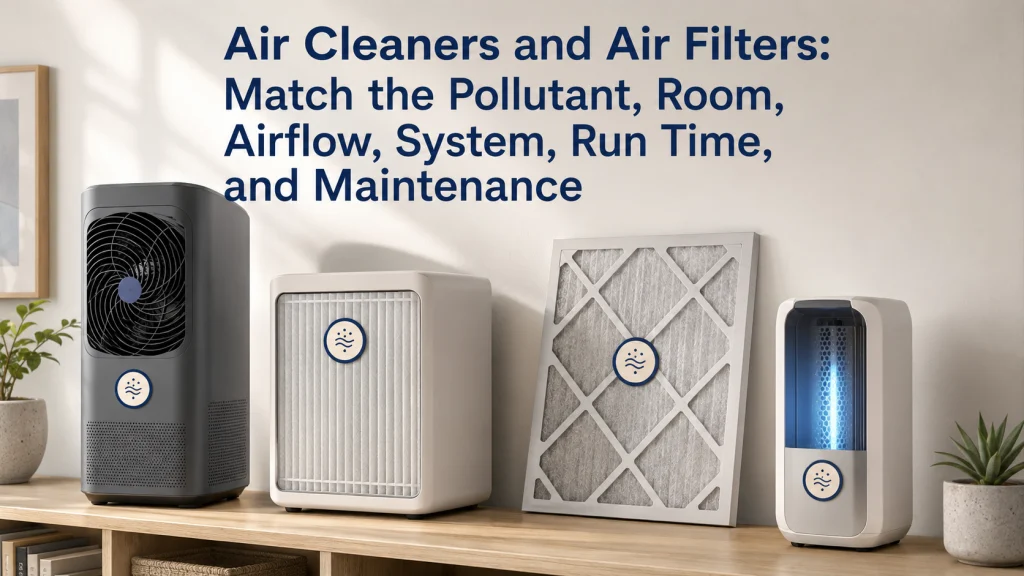
Air Cleaners and Air Filters: Match the Pollutant, Room, Airflow, System, Run Time, and Maintenance

Air Cleaners And Air Filters

Air cleaners and air filters make more sense when you begin with the air problem rather than the product format. Identify whether the concern is particles, gases, or both, then match the mechanism to the actual room or central system and to a fan speed the household can live with. Source control and appropriate ventilation

When to Open Windows for Ventilation: Check Outdoor Air, Humidity, Weather, Pollen, and Safety First

When To Open Windows For Ventilation

There is no universal schedule for opening windows. The decision depends on why the home needs ventilation, whether outdoor air is suitable at that moment, whether a safe inlet and outlet can be created, and what condition will trigger a review. Check current smoke or hazard alerts, temperature, humidity, weather, pollen conditions, security, and opening

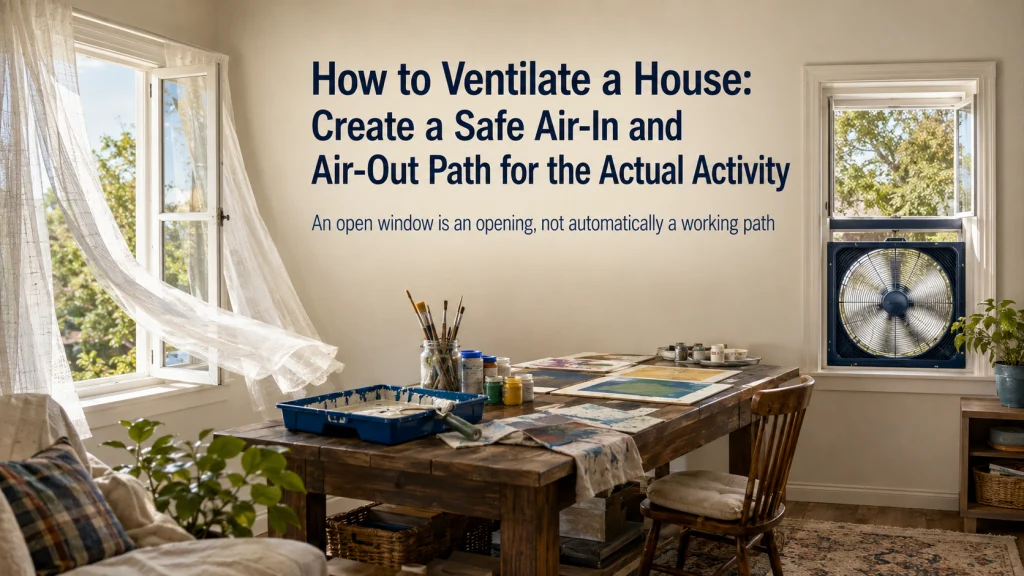
How to Ventilate a House: Create a Safe Air-In and Air-Out Path for the Actual Activity

How To Ventilate A House

Ventilating a house means creating a useful path for outdoor air to enter and indoor air to leave. One cracked window may provide only an opening, while a separated inlet and outlet can create a clearer route through the room. Start with the source event, check whether outdoor conditions and the opening are safe, then

How to Improve Indoor Air Quality at Home: Start With the Source, Then Ventilate and Filter

How To Improve Indoor Air Quality At Home

Improving indoor air quality at home begins by noticing what changes before reaching for a product. Handle alarms, smoke, gas, combustion, and severe symptoms first, then connect the room condition with a source, activity, or air pathway. Reduce what can be controlled, use local exhaust where moisture or pollutants are created, bring in outdoor air

What Is Indoor Air Quality: Sources, Pathways, Ventilation, Moisture, Particles, and Daily Change

What Is Indoor Air Quality

Indoor air quality is not a permanent grade attached to a room. The same living room can feel ordinary in the morning, stuffy during a gathering, affected by dinner cooking, and refreshed later when suitable outdoor air moves through it. Those changes come from sources, pathways, building conditions, and the controls acting on them. Smell,

Indoor Air Quality and Home Ventilation: Control Sources, Move Air Intentionally, and Know When Outdoor Air Helps

Indoor Air Quality

Indoor air quality problems do not all have the same first solution. A lingering odor may call for removing a source, using local exhaust, bringing in suitable outdoor air, or adding supplemental air cleaning, depending on where the condition begins and how it moves. Start by identifying the source, pathway, room, timing, and existing ventilation