Personal Hygiene Basics: Build a Practical Routine Around the Tasks That Actually Matter
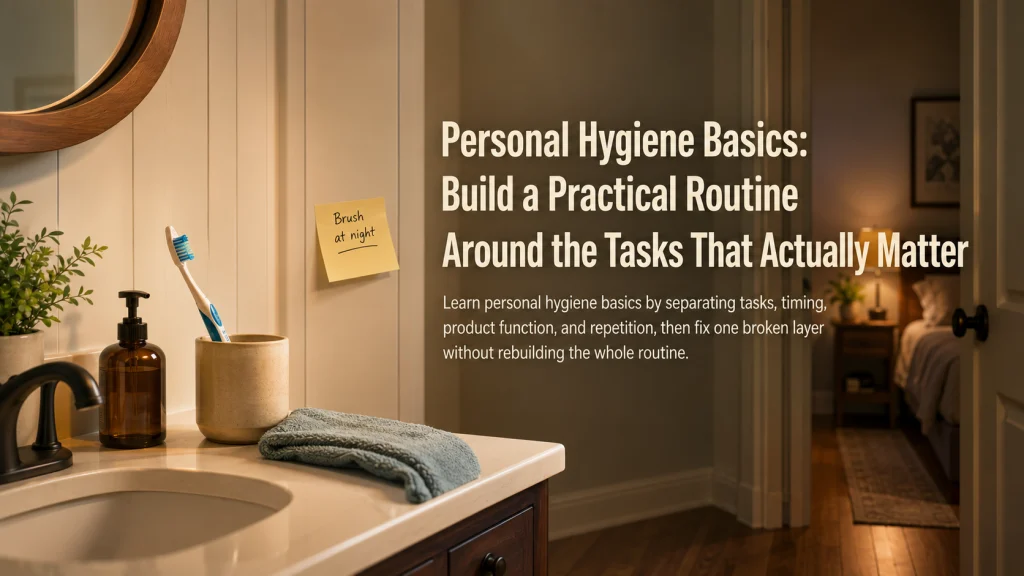
Personal Hygiene Basics

Personal hygiene basics become easier to manage when you separate four decisions: which tasks belong, when they happen, what function each product serves, and what helps the routine repeat. Start with the layer that is actually broken instead of rebuilding the entire system or buying another item. A minimum workable routine should cover essential tasks,
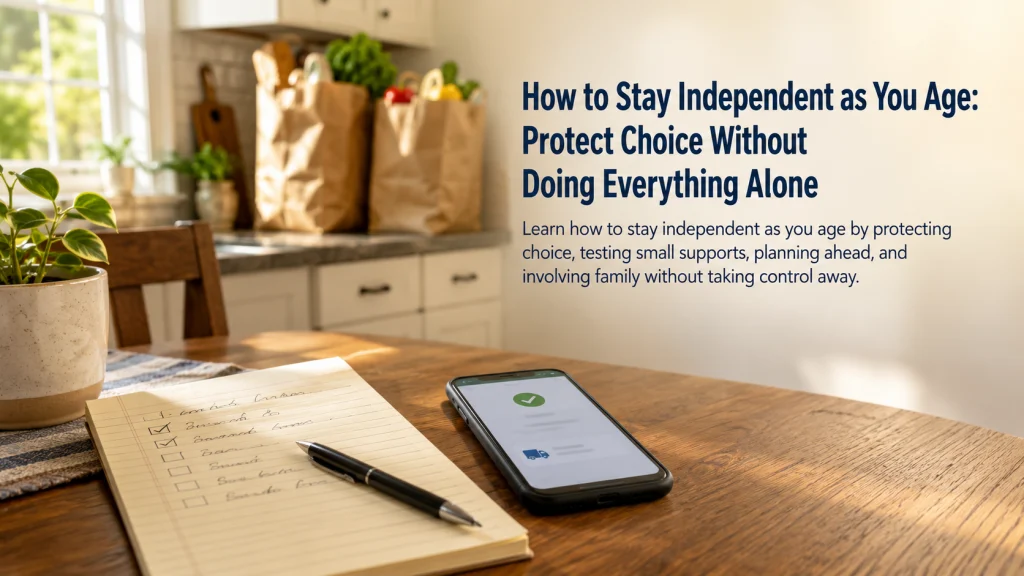
How to Stay Independent as You Age: Protect Choice Without Doing Everything Alone

How To Stay Independent As You Age

Learning how to stay independent as you age begins with protecting choice, participation, control, and access rather than proving that every task can still be done alone. The first useful step may be correcting an assumption, planning ahead, accepting one form of help, beginning a family conversation, noticing repeated changes, preparing for solo aging, or

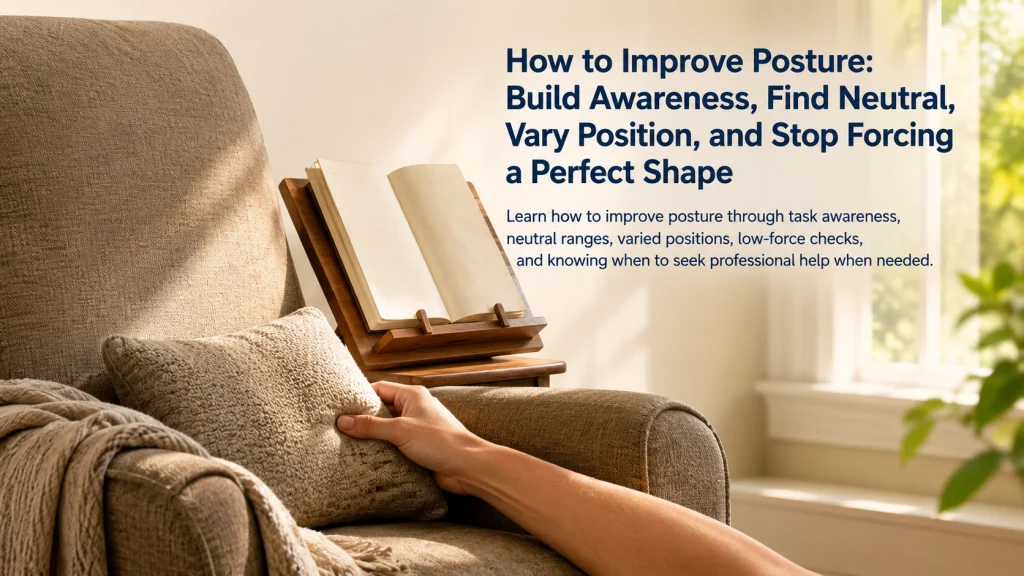
How to Improve Posture: Build Awareness, Find Neutral, Vary Position, and Stop Forcing a Perfect Shape

How To Improve Posture

Learning how to improve posture starts with awareness, support, effort, and position changes, not with forcing the body into one fixed shape. Notice what task you are doing, where the body is supported, how hard you are working to hold the position, and how long you stay there. Choose one observable variable, make a low-force

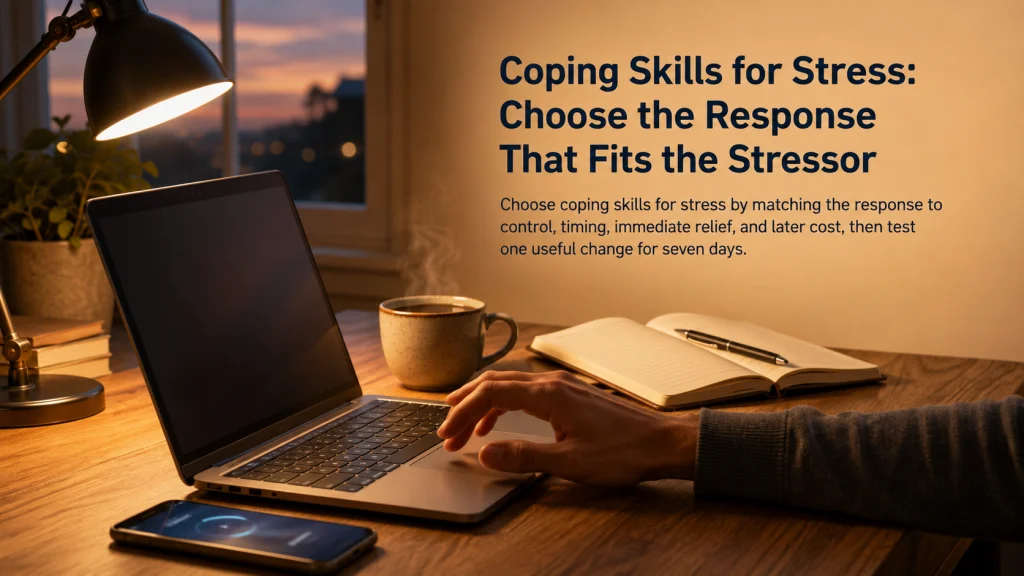
Coping Skills for Stress: Choose the Response That Fits the Stressor

Coping Skills For Stress

Coping skills for stress are useful only when they fit the stressor, the amount of control available, and the delayed consequence of the response. Begin by naming what is happening, noticing your signals, and deciding whether the next step should change the source, steady the response, create a short pause, or prepare for a recurring

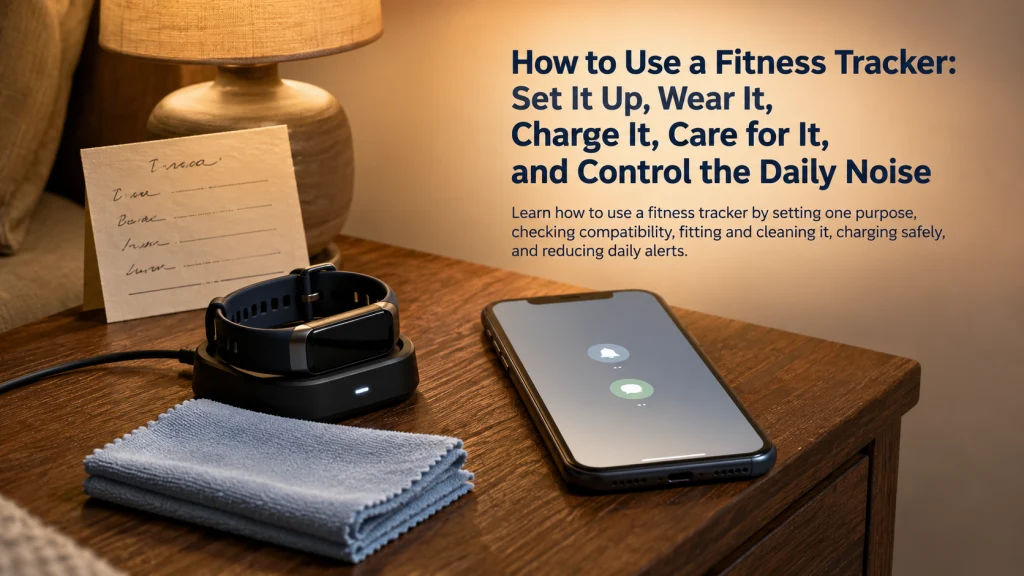
How to Use a Fitness Tracker: Set It Up, Wear It, Charge It, Care for It, and Control the Daily Noise

How To Use A Fitness Tracker

Learning how to use a fitness tracker starts with a narrow purpose, not every available feature. Confirm phone and account compatibility, pair only the services you need, set the correct wrist and fit options, create a safe charging and cleaning routine, verify water limits, and reduce alerts before judging the device. A seven-day review can

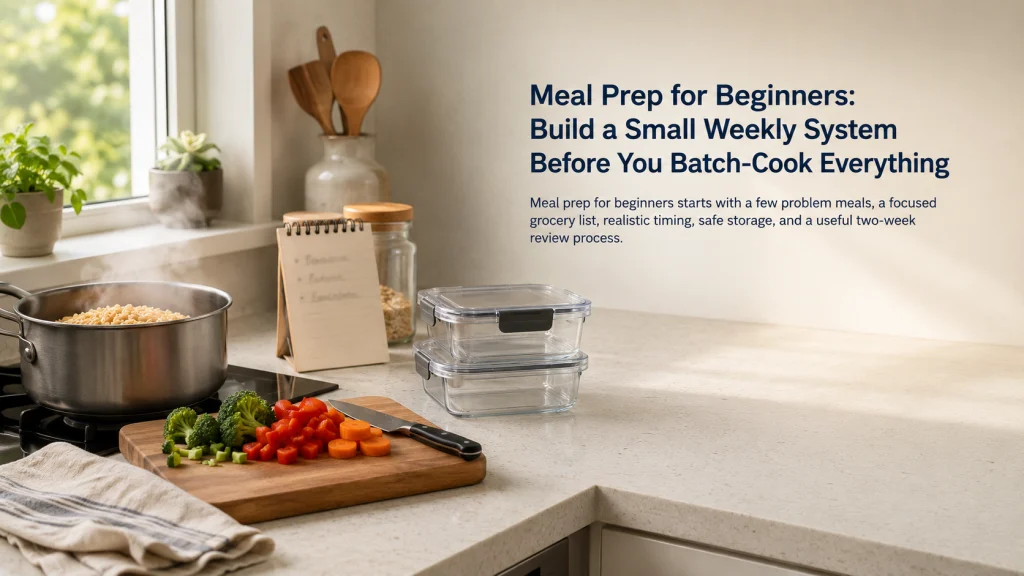
Meal Prep for Beginners: Build a Small Weekly System Before You Batch-Cook Everything

Meal Prep For Beginners

Meal prep for beginners should make an ordinary Tuesday easier, not turn the first week into a test of discipline. Start with two or three meals that repeatedly leave you rushed, undecided, or surrounded by unused ingredients, then choose the lightest preparation level that would help. Check what is already at home, build a focused

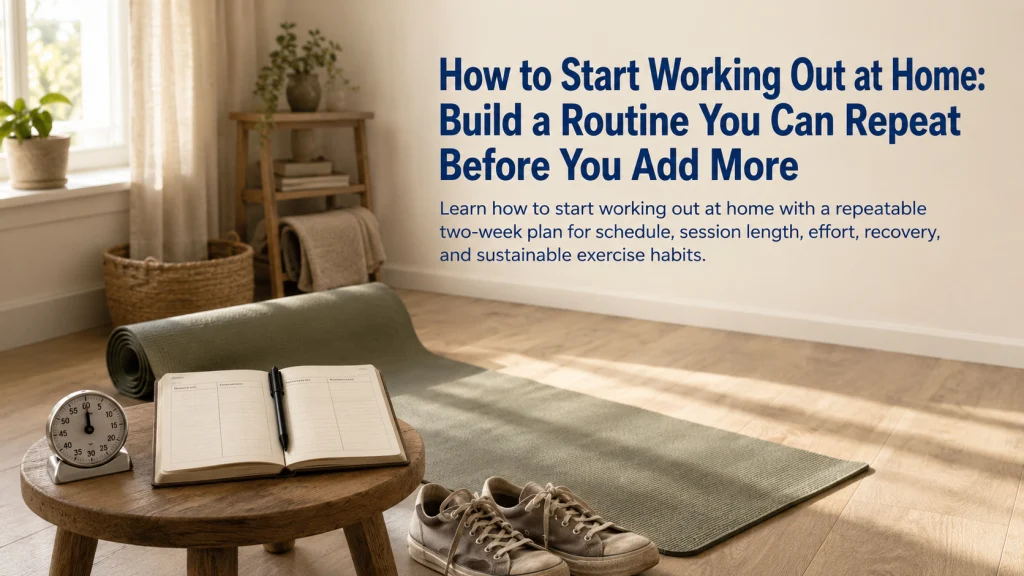
How to Start Working Out at Home: Build a Routine You Can Repeat Before You Add More

How To Start Working Out At Home

Learning how to start working out at home begins with a routine small enough to repeat, not with the hardest session you can complete once. Decide when you can move, what activity you will use, how little still counts on a difficult day, and what effort allows you to finish with control. Use the first

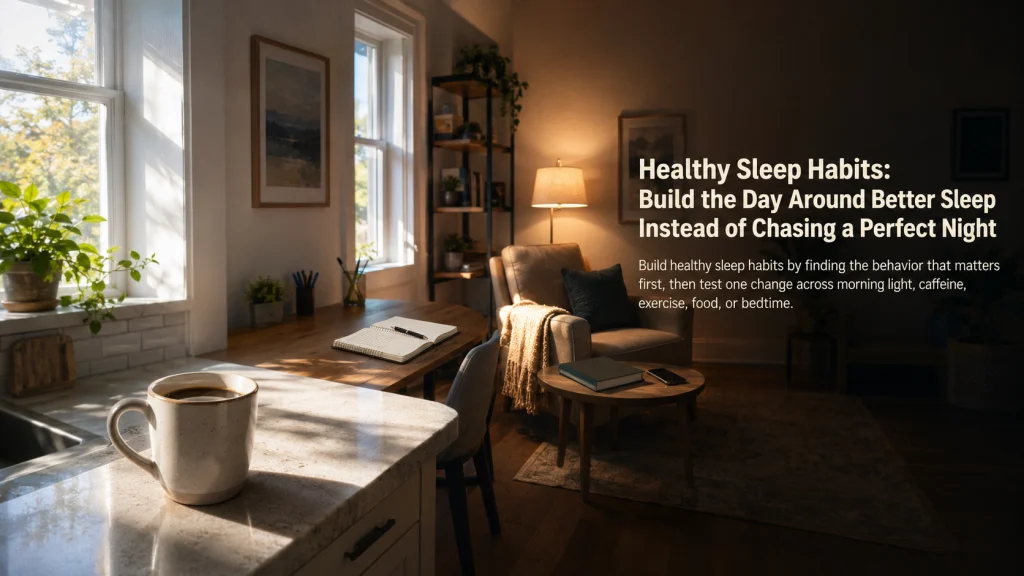
Healthy Sleep Habits: Build the Day Around Better Sleep Instead of Chasing a Perfect Night

Healthy Sleep Habits

Healthy sleep habits work best when they target the behavior most likely to be disrupting sleep, rather than becoming one long list of rules. The first useful change may involve morning light, caffeine, exercise, evening food or alcohol, phone use, delayed bedtime, or the final wind-down sequence. Choose one obstacle and test one change for