How Often Should Beginners Work Out: Choose Frequency From Activity Type, Recovery, and Starting Capacity
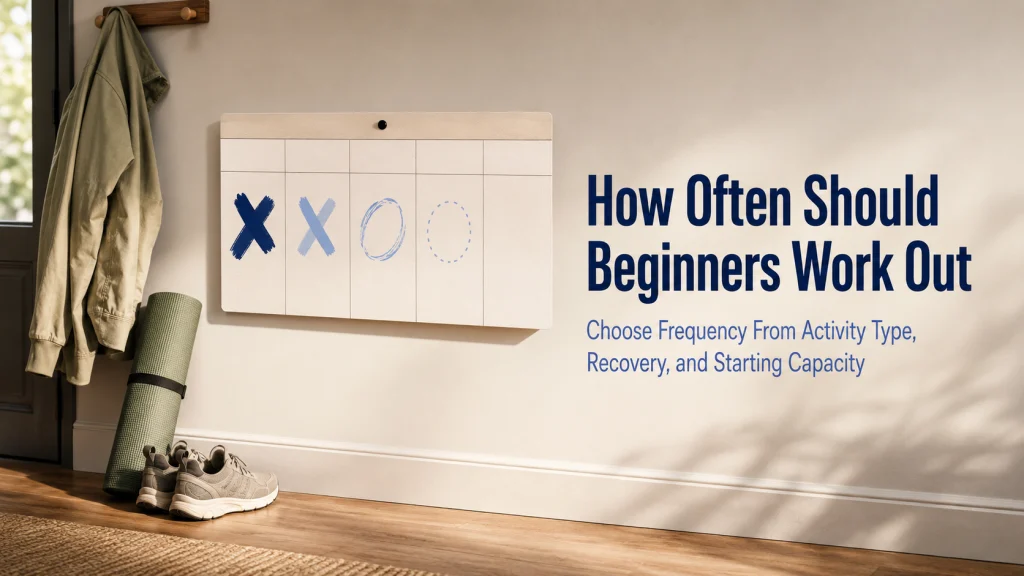
How Often Should Beginners Work Out

How often beginners should work out depends on the activity, current capacity, recovery, and the amount of work inside each session. Four days of walking, four full-body strength sessions, and four mixed mobility and cardio days do not create the same demand. Start with a frequency that fits the calendar and can be repeated without


Bedtime Procrastination: Protect Personal Time Without Letting the Night Disappear

Bedtime Procrastination

Bedtime procrastination is the voluntary delay of sleep even when you intend to go to bed and have a reasonable opportunity to do so. The delay often protects something the day failed to provide, such as quiet, autonomy, entertainment, task completion, or a transition out of responsibility. The practical goal is not to remove all

What Is Indoor Air Quality: Sources, Pathways, Ventilation, Moisture, Particles, and Daily Change

What Is Indoor Air Quality

Indoor air quality is not a permanent grade attached to a room. The same living room can feel ordinary in the morning, stuffy during a gathering, affected by dinner cooking, and refreshed later when suitable outdoor air moves through it. Those changes come from sources, pathways, building conditions, and the controls acting on them. Smell,

Personal Hygiene Checklist: Separate Daily, Event-Triggered, Periodic, and Optional Tasks

Personal Hygiene Checklist

A useful personal hygiene checklist does not place every task into one daily column. It separates regular baseline care from event-triggered actions, periodic maintenance, optional grooming, and concerns that need support beyond a checklist. Build the list by domain, define what completion means, place supplies where the task happens, and record barriers that make the

Common Myths About Aging: Separate Real Change From Age-Based Assumptions

Common Myths About Aging

Common myths about aging often turn a birthday into a rule about memory, movement, sleep, learning, driving, or independence. Age can provide context, but it cannot show what one person can do, what has recently changed, or what support would help. Replace age-based assumptions with questions about function, change over time, environment, and safety. New,

What Is Good Posture: A Comfortable, Adaptable Position, Not a Military Pose

What Is Good Posture

Good posture is not a rigid shape that everyone should hold from morning to night. It is a position that fits the task, feels manageable, uses support where it helps, and leaves room to move. Alignment can be a useful starting point, but a photograph cannot tell you how hard someone is working to hold

Stress vs Anxiety: Use the Pattern to Decide What Kind of Help Comes Next

Stress Vs Anxiety

Stress and anxiety can feel similar, so one sensation is not enough to tell them apart. A more useful distinction looks at what started the experience, whether it eases when the situation changes, and how much it is affecting work, sleep, relationships, or ordinary choices. A clear external pressure may point toward a stress response,

How to Plan Meals for the Week: Start With Real Eating Occasions, Time, and Existing Food

How To Plan Meals For The Week

A useful weekly meal plan starts by counting the meals that will actually happen at home, not by filling every calendar box with a new recipe. Mark meals away from home, late work periods, planned leftovers, and flexible nights before deciding what to cook. Then match meal difficulty to the time and help available, use

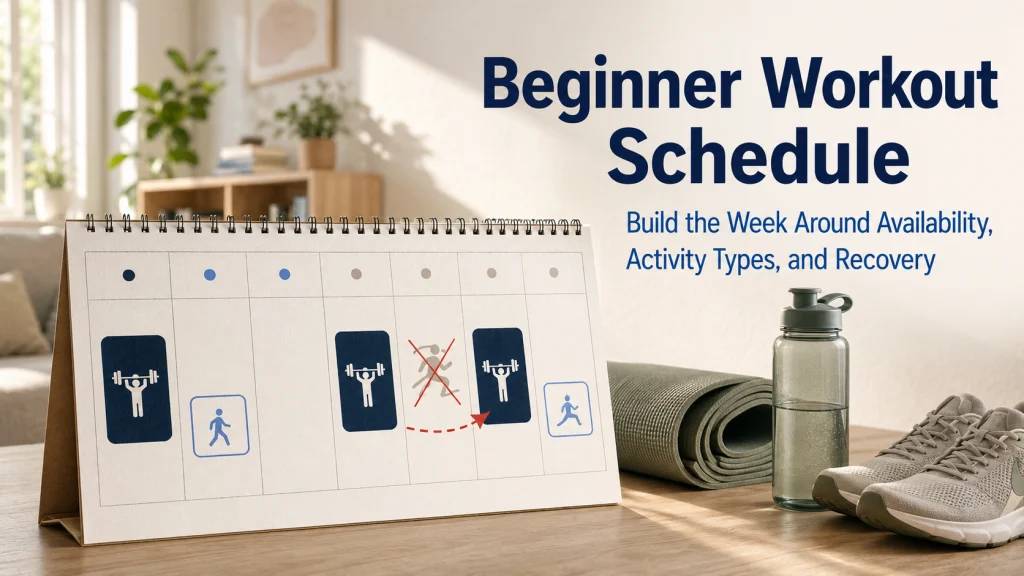
Beginner Workout Schedule: Build the Week Around Availability, Activity Types, and Recovery

Beginner Workout Schedule

A beginner workout schedule works best when it is built around real availability, not an idealized seven-day streak. Start with a few dependable anchor sessions, add optional movement blocks, define a smaller version for difficult days, and leave enough space between repeated strength sessions. The schedule should also include a simple rule for missed workouts

Indoor Air Quality and Home Ventilation: Control Sources, Move Air Intentionally, and Know When Outdoor Air Helps

Indoor Air Quality

Indoor air quality problems do not all have the same first solution. A lingering odor may call for removing a source, using local exhaust, bringing in suitable outdoor air, or adding supplemental air cleaning, depending on where the condition begins and how it moves. Start by identifying the source, pathway, room, timing, and existing ventilation

Bedtime Routine for Adults: Build a Wind-Down Sequence That Still Works on Busy Nights

Bedtime Routine For Adults

A bedtime routine for adults works best when it creates a clear transition from evening activity to lights out without demanding a long list of tasks. Start with a dependable cue, use three functional steps, set a definite endpoint, and keep a 10-minute fallback for late or disrupted nights. Optional activities can help, but only