Stress Management Plan: Prepare Responses for Low, Medium, and High-Stress Days
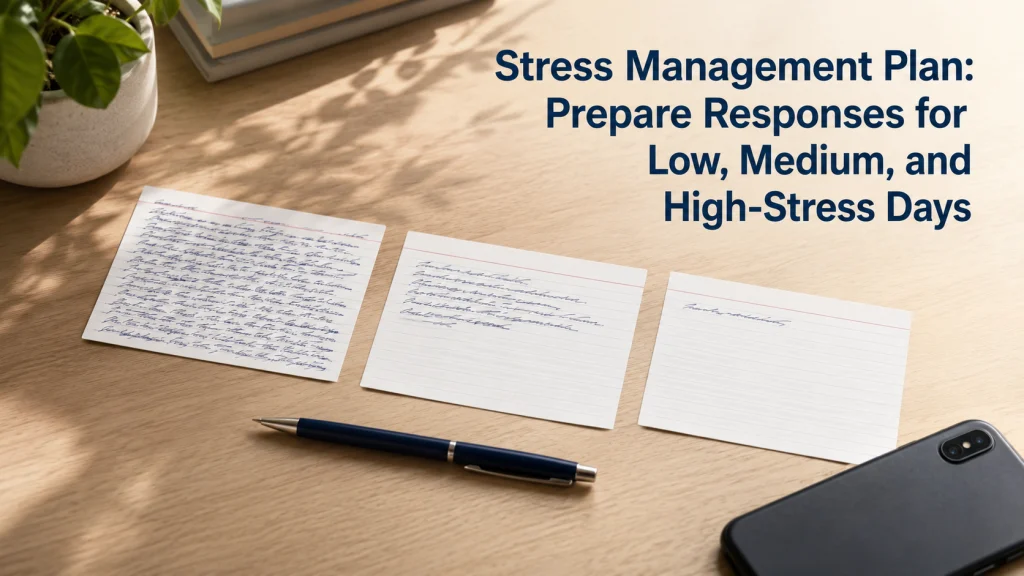
Stress Management Plan

A personal stress plan should reduce decisions when attention, time, and patience are already limited. Build three functional levels, low, medium, and high stress, then pair one action for the source with one action for the stress response. Add a minimum version for busy or disrupted days, prepare support and environmental cues in advance, and
How to Set Fitness Tracker Goals: Choose One Behavior, One Review Window, and One Adjustment Rule

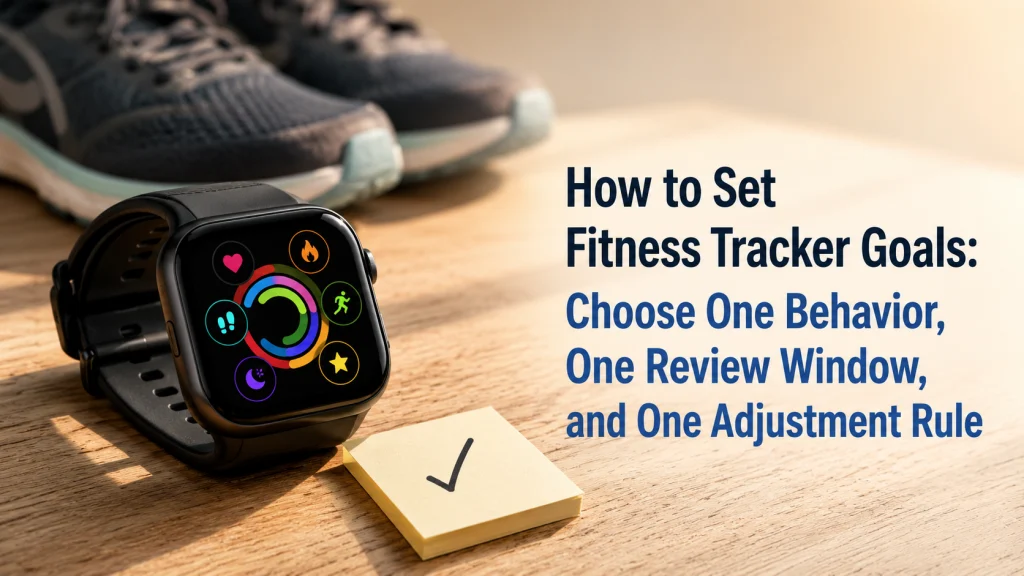
How To Set Fitness Tracker Goals

Learning how to set fitness tracker goals starts with choosing one repeatable behavior, not accepting every default target on the dashboard. Use your recent ordinary routine as the starting reference, create full, standard, and minimum versions, and decide in advance what action follows a missed or completed target. Review the pattern over a chosen window

How Much Food to Meal Prep: Count Meals at Home, Leftovers, Storage Days, and Freezer Capacity

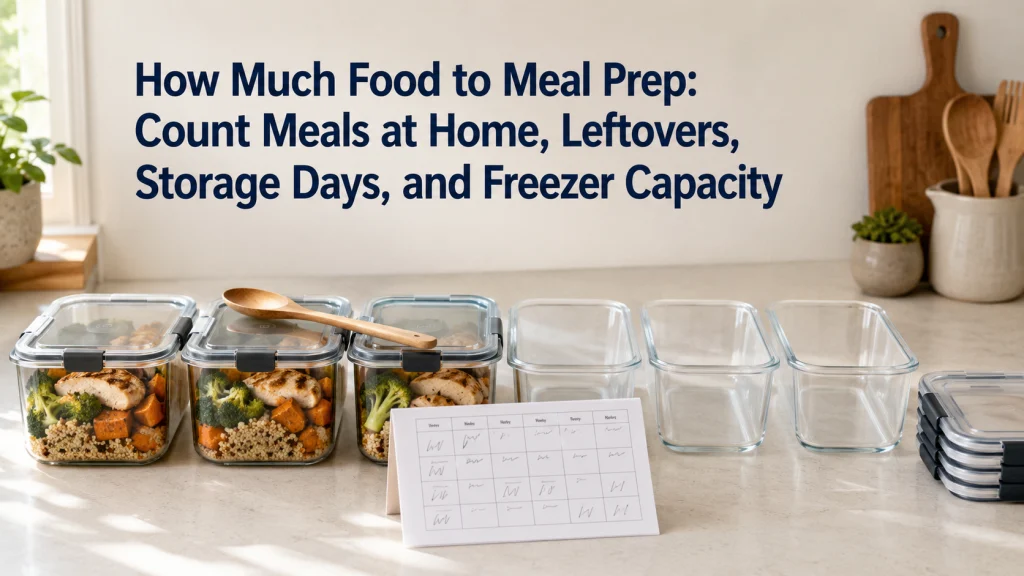
How Much Food To Meal Prep

How much food to meal prep depends on how many eating occasions actually need advance work, not on the number of days in the week. Count meals and snacks expected at home, subtract meals away, takeout, current leftovers, frozen backups, and flexible slots, then decide whether you are preparing complete meals, components, or partial assemblies.

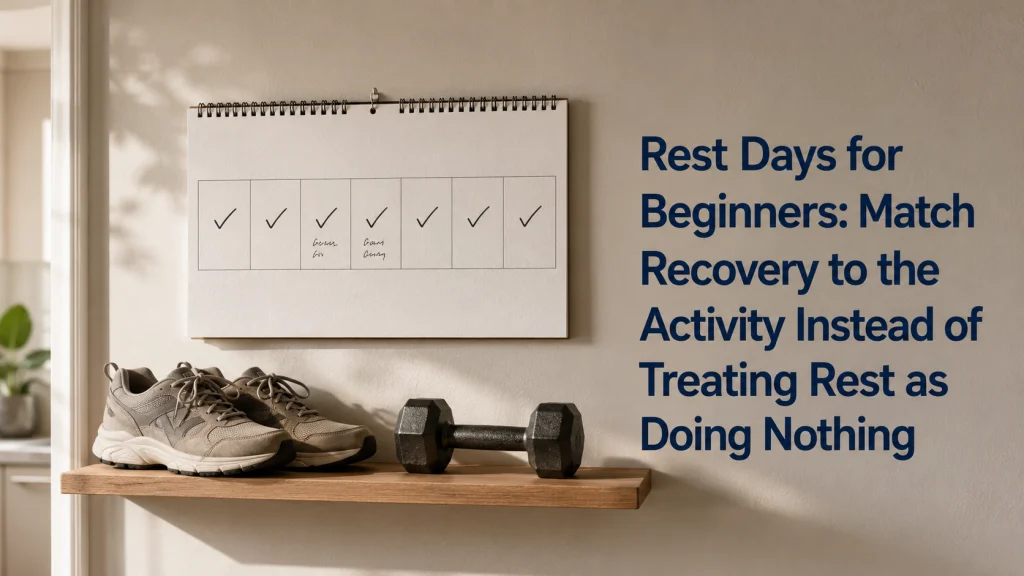
Rest Days for Beginners: Match Recovery to the Activity Instead of Treating Rest as Doing Nothing

Rest Days For Beginners

Rest is relative to the work that came before it. A beginner may keep a daily movement habit while giving demanding strength, cardio, or unfamiliar sessions more recovery time. Use activity type, intensity, duration, soreness, energy, sleep, performance, and joint comfort to decide whether the next day calls for full rest, light activity, or another

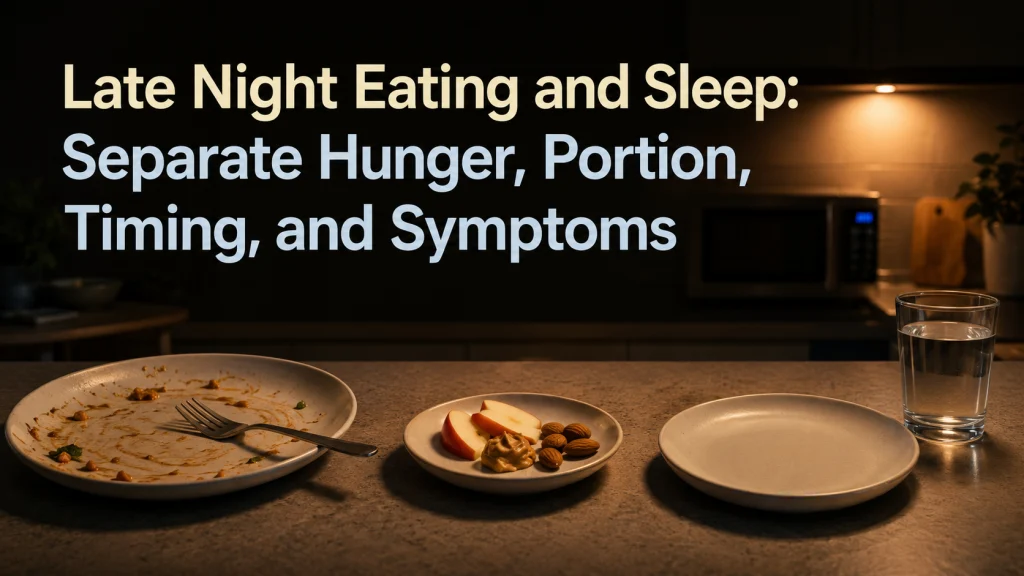
Late Night Eating and Sleep: Separate Hunger, Portion, Timing, and Symptoms

Late Night Eating And Sleep

The relationship between late night eating and sleep depends on what problem is actually present. A full dinner, a planned snack, and going to bed hungry can occur at the same clock time while creating very different decisions. Separate hunger, portion, composition, timing, alcohol, caffeine, and symptoms, then test one practical change while keeping the

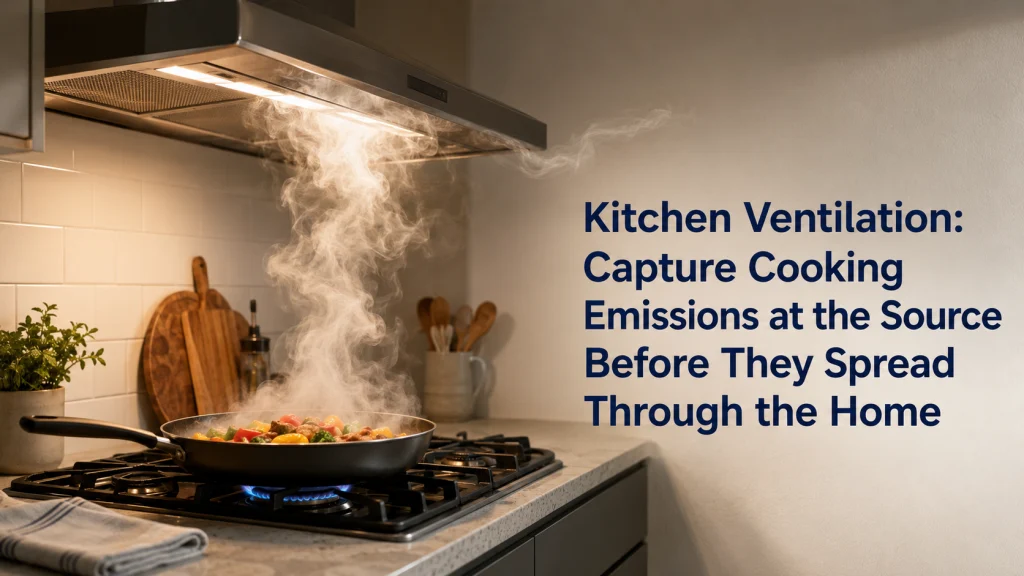
Kitchen Ventilation: Capture Cooking Emissions at the Source Before They Spread Through the Home

Kitchen Ventilation

Kitchen ventilation works best when it captures cooking emissions close to the pan before they spread through the room. Begin by verifying whether the existing hood or microwave unit vents outdoors or recirculates air back into the kitchen. When outdoor-vented exhaust is available, turn it on early, place active cooking under the capture area when

How Often Should You Shower? Use Sweat, Soil, Skin Response, and Activity Instead of One Universal Rule

How Often Should You Shower

Shower frequency is better decided by activity, sweat, visible soil, odor, climate, skin response, access, and professional instructions than by one calendar number. Set an ordinary baseline, then add event-triggered bathing after situations such as heavy sweating, close-contact activity, swimming, or soil-heavy work. A full shower is not always necessary when a targeted wash safely

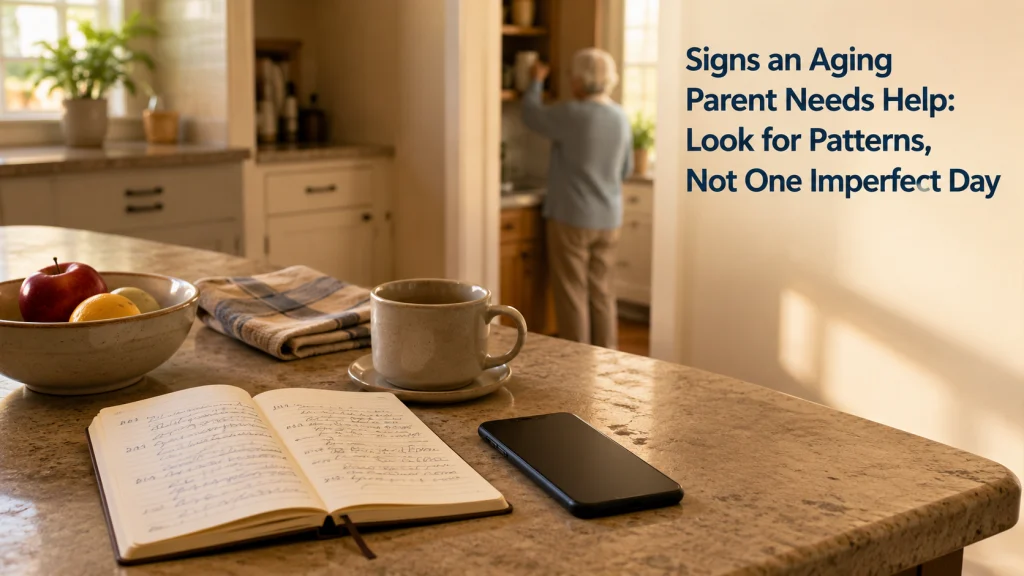
Signs an Aging Parent Needs Help: Look for Patterns, Not One Imperfect Day

Signs Aging Parent Needs Help

Signs that an aging parent may need help are most useful when they are compared with the person’s own baseline and tracked as repeated, meaningful changes. One cluttered room, missed meal, forgotten appointment, or unexplained bruise should not be turned into a diagnosis or a verdict about living alone. Record frequency, severity, context, and consequences,

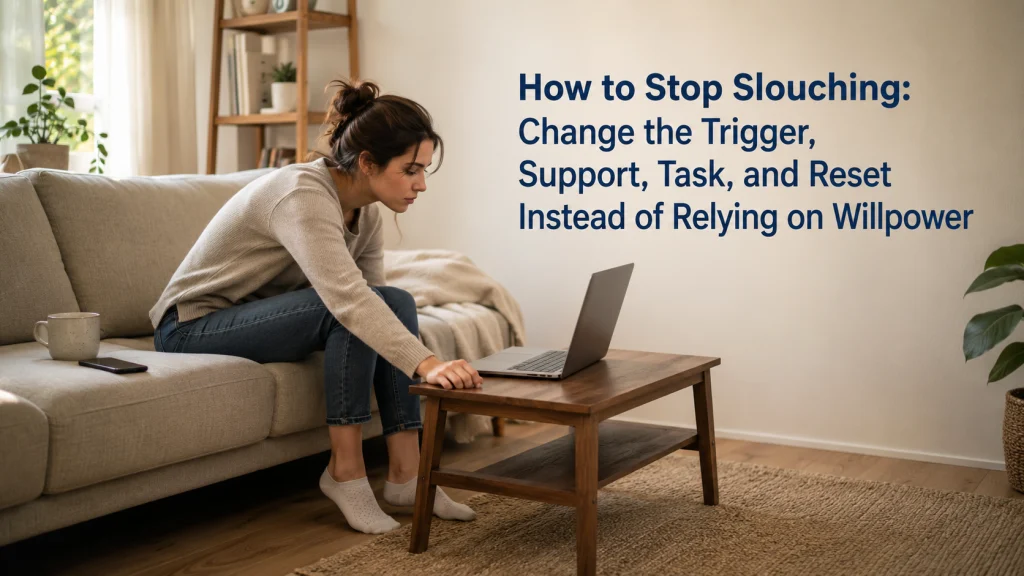
How to Stop Slouching: Change the Trigger, Support, Task, and Reset Instead of Relying on Willpower

How To Stop Slouching

Slouching often returns because the task still rewards the same position. Instead of relying on willpower, record when the pattern appears, what you are looking at or reaching for, which body areas lack support, and how fatigue changes the task. Make one trigger easier, use a short low-force reset, vary positions rather than holding one

Stress Journal: Track Context, Response, and Cost Without Recording Your Whole Day

Stress Journal

A stress journal works best when it records a few comparable details instead of every thought from the day. Use five fields: context, signal, response, immediate effect, and later cost. Log either specific stressful events or one brief daily check-in, then wait until you have seven entries before reviewing for patterns. Stop the exercise if

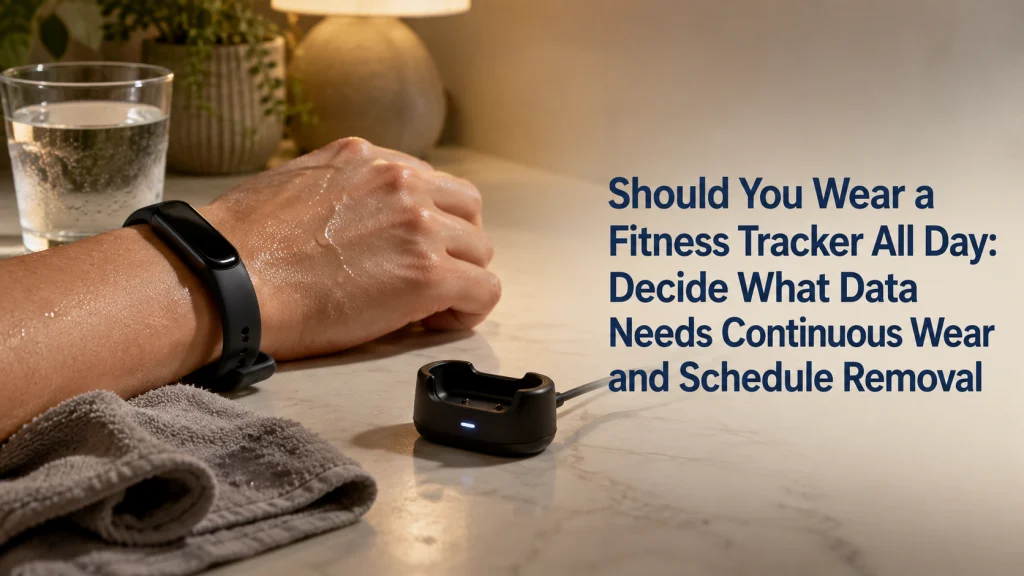
Should You Wear a Fitness Tracker All Day: Decide What Data Needs Continuous Wear and Schedule Removal

Should You Wear A Fitness Tracker All Day

Whether you should wear a fitness tracker all day depends on the question you want the device to answer. Some metrics need consistent wear across a defined window, while other hours add little value and may be better used for charging, cleaning, drying, skin comfort, work restrictions, or private time. Build the schedule around one

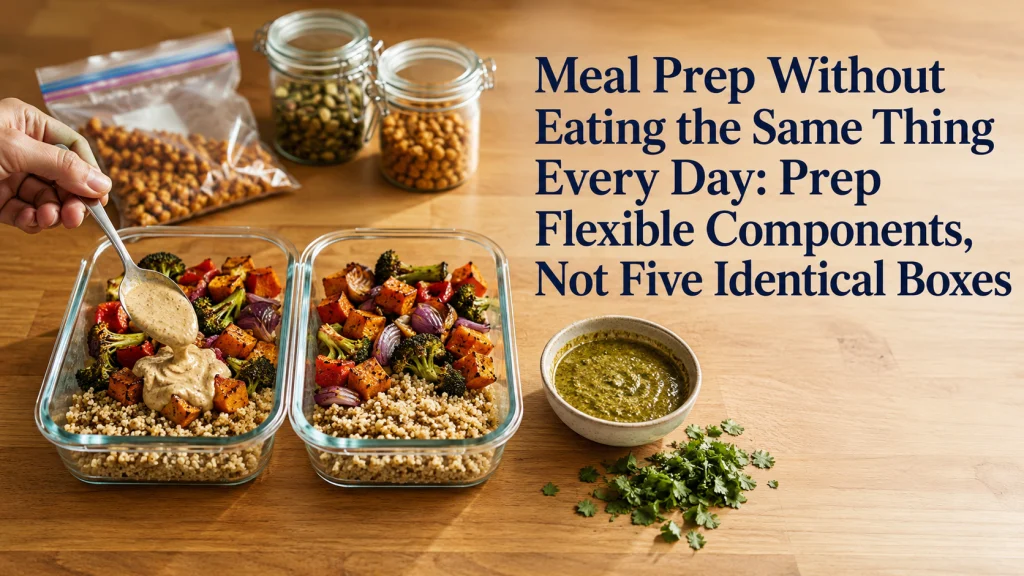
Meal Prep Without Eating the Same Thing Every Day: Prep Flexible Components, Not Five Identical Boxes

Meal Prep Without Eating The Same Thing Every Day

Meal prep without eating the same thing every day depends on how much of each meal is committed in advance. Complete meals offer the least weekday work but the least flexibility. Components, partial assembly, and two-path systems leave more decisions for later while adding containers, labels, refrigerator space, and assembly time. Choose one variation point,